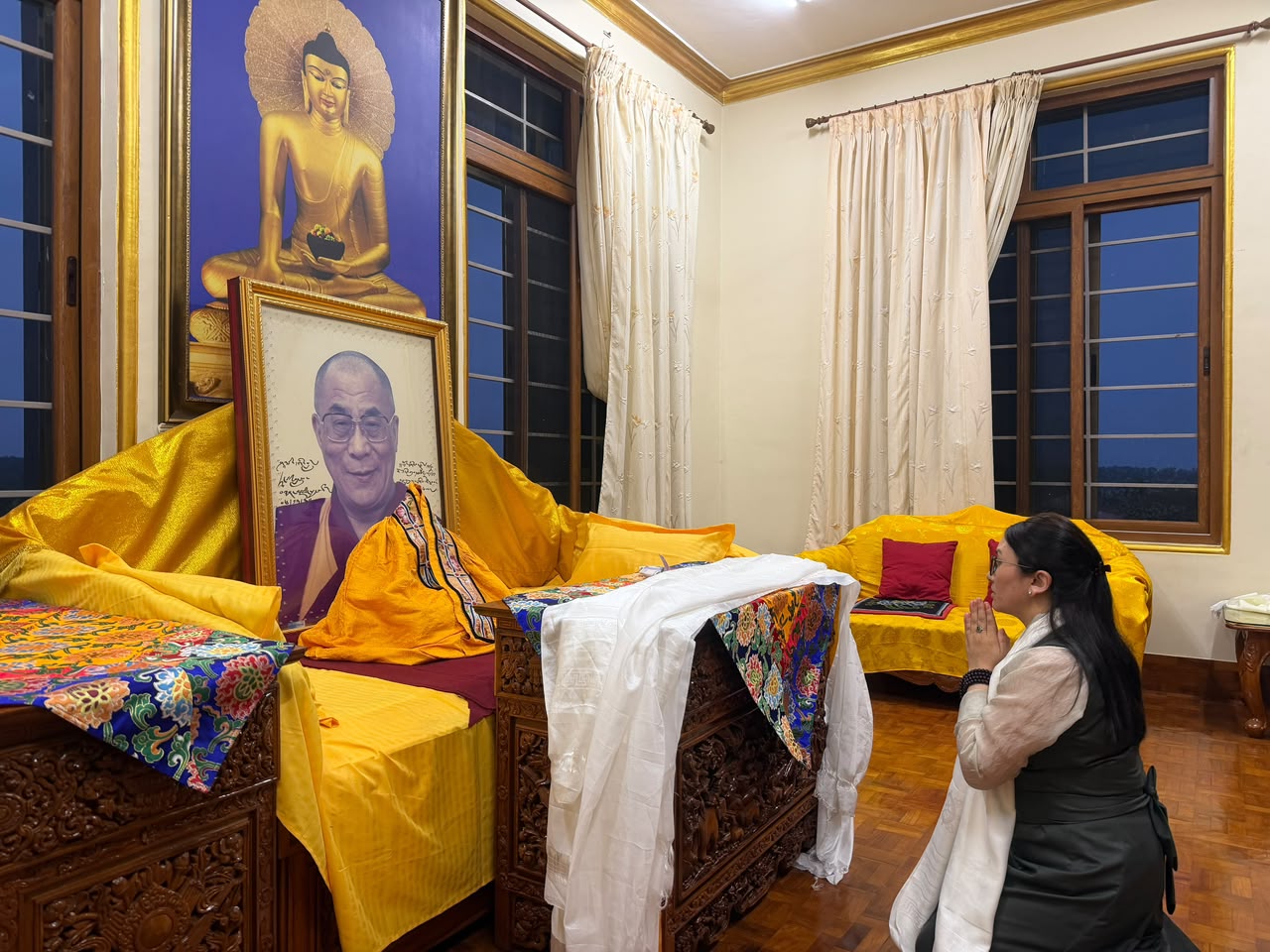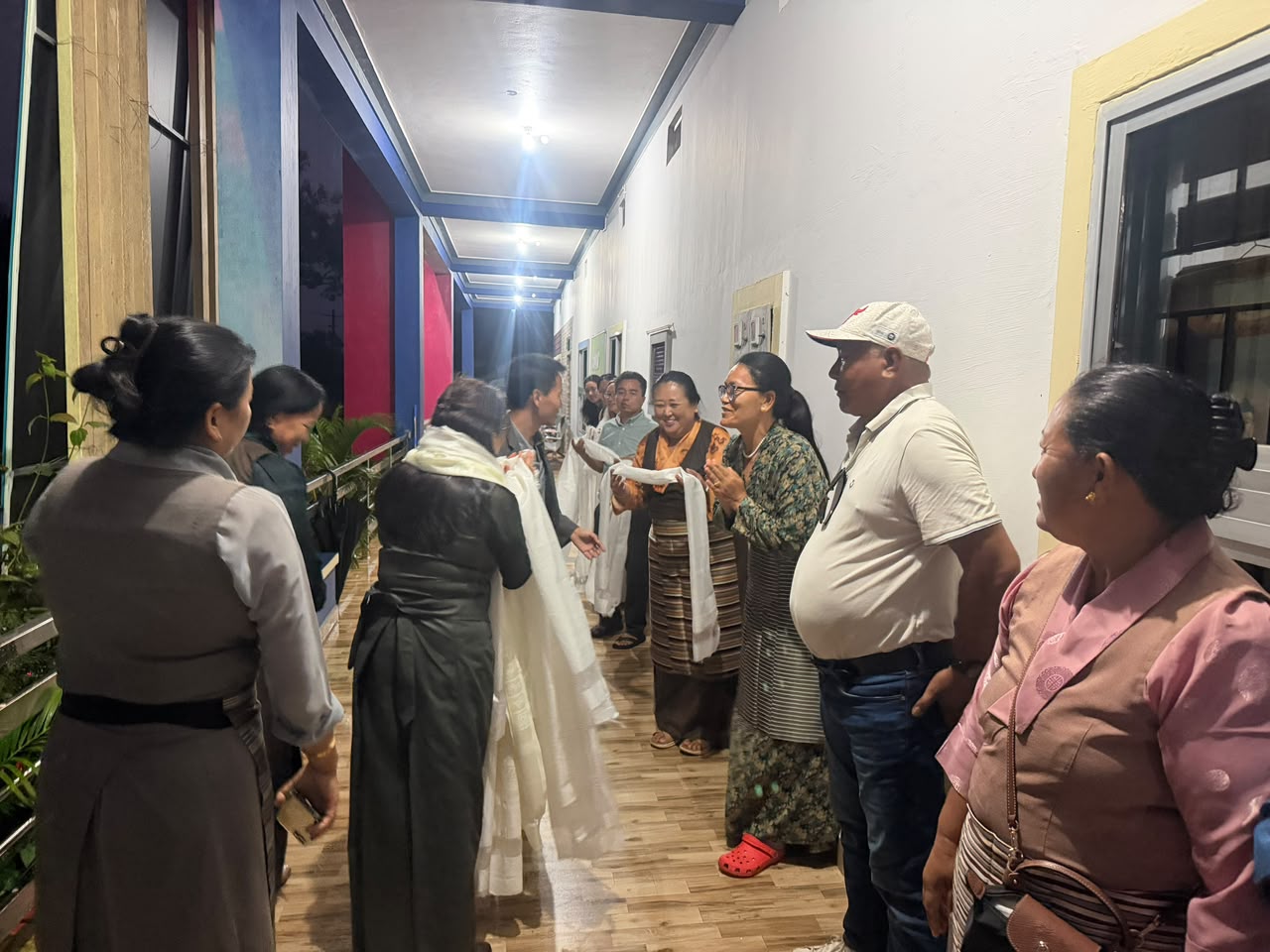
Hunsur, 7 November 2026: Health Kalon Pema Tso visited Rabgyaling Tibetan Settlement in Hunsur from 3 to 5 November 2026, holding a series of official engagements to review local healthcare services, assess community welfare initiatives, and meet with residents, healthcare professionals, and institutional representatives.
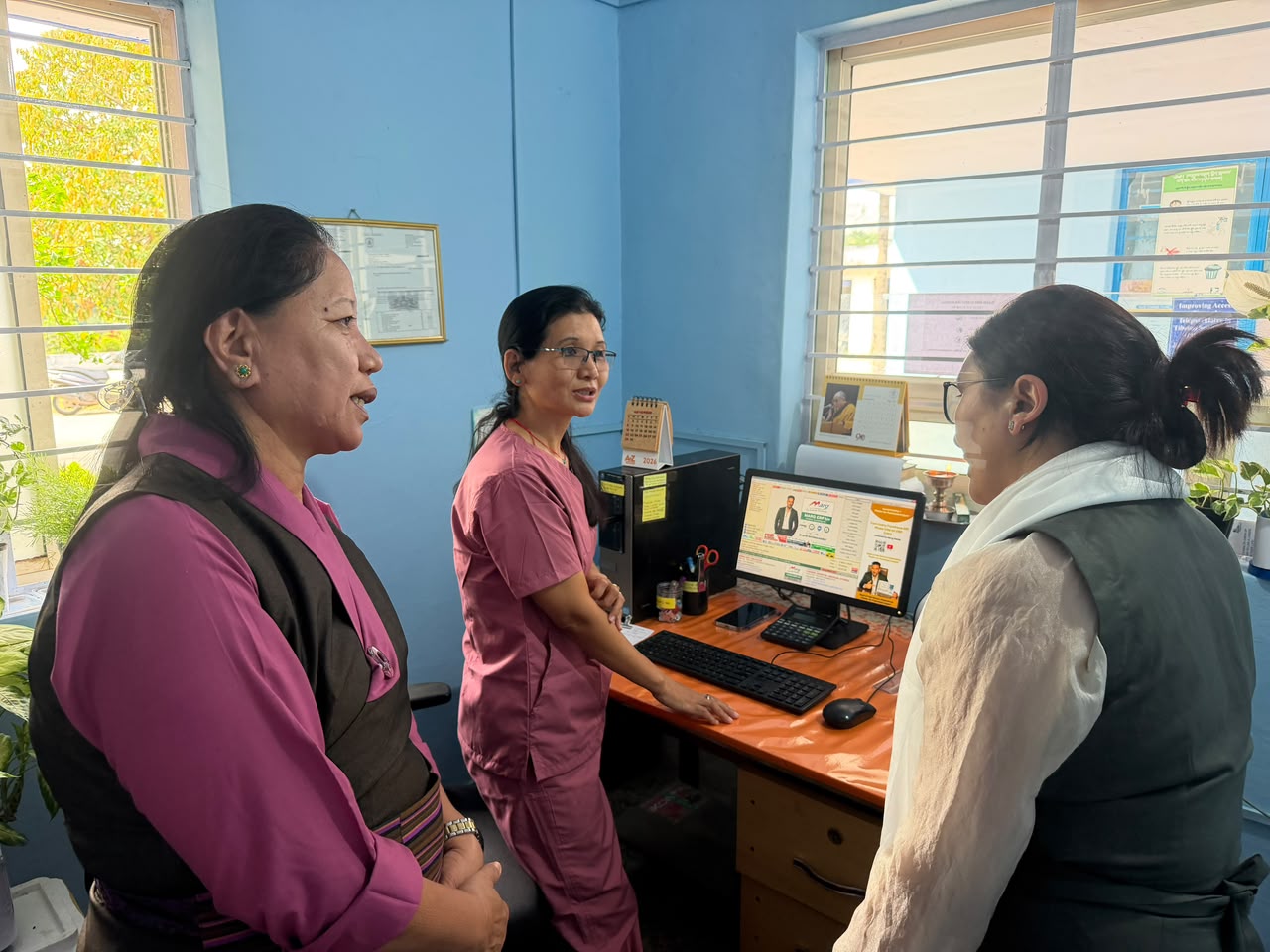
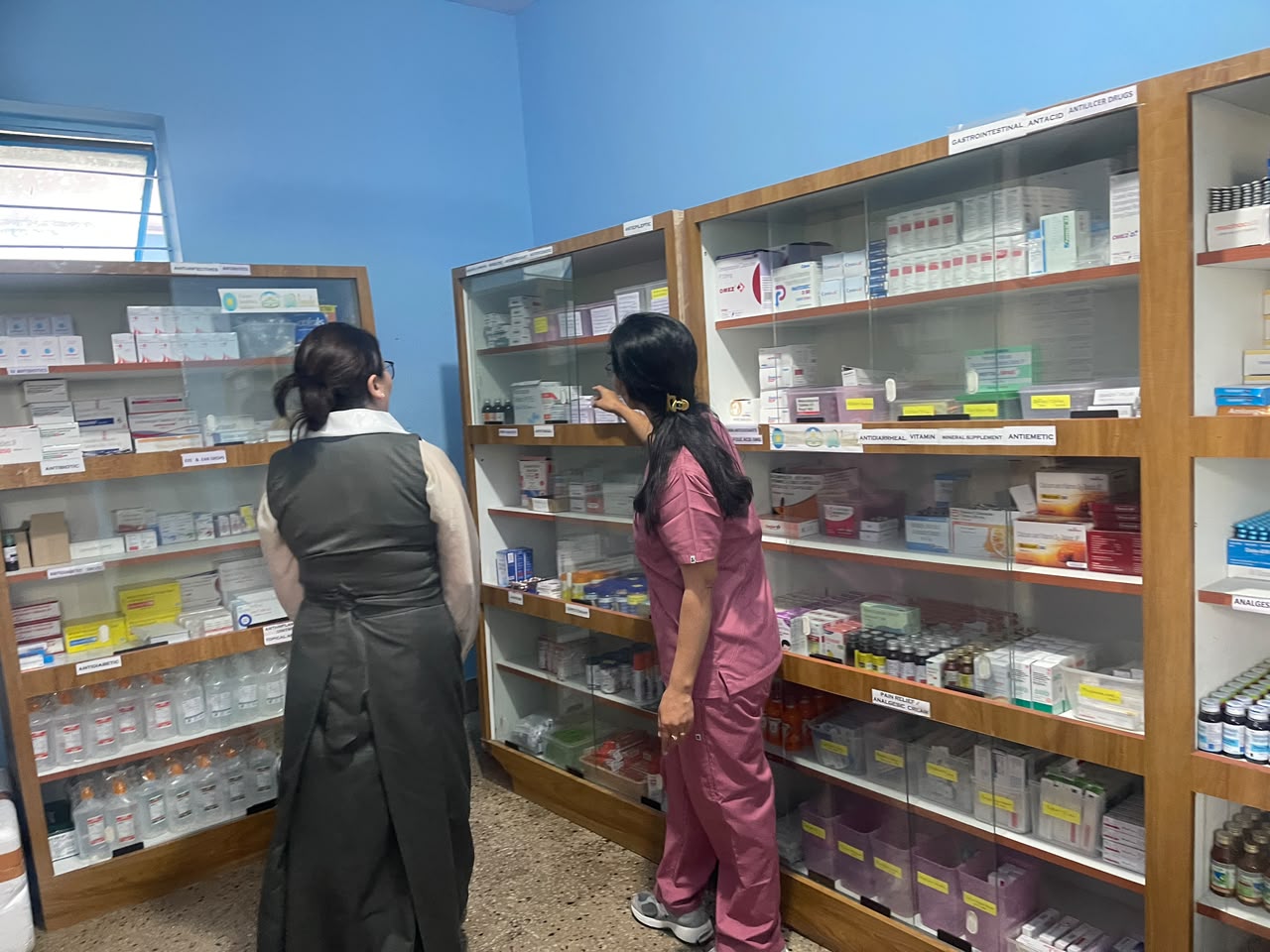
During her visit, Kalon inspected the local branch of Men-tsee-khang (Tibetan Medical and Astro. Institute) and the Department of Health’s Primary Health Centre. After reviewing medical records and expenditure, she advised Mentsee Khang to digitise patient records to improve coordination with its central headquarters in Dharamshala.
At the Primary Health Centre, she was briefed on local health concerns, including Hepatitis, HIV and mental health challenges, as well as the increased enrolment in the Tibetan Medicare System (TMS), which had exceeded its projected target for the year. Commending the dedication of healthcare staff, she emphasised compassionate patient care and urged regular home visits to elderly residents living alone or unable to visit the health centre.
The Kalon also visited Sambhota Day School, the local Old Age Home, Gyudmed Monastery’s Shi-de Hospital and Zongchoe Health Clinic Centre, where she interacted with students, elderly residents and healthcare administrators.
Addressing local staff, she highlighted the growing challenges facing Tibetan religion, culture and language inside Tibet amid China’s assimilation policies. Referring to the CTA’s observance of Tibetan National Identity Preservation Week, she urged Tibetans to safeguard their linguistic and cultural heritage and encouraged greater use of the Tibetan language in daily communication and institutional settings, including on hospital signboards.
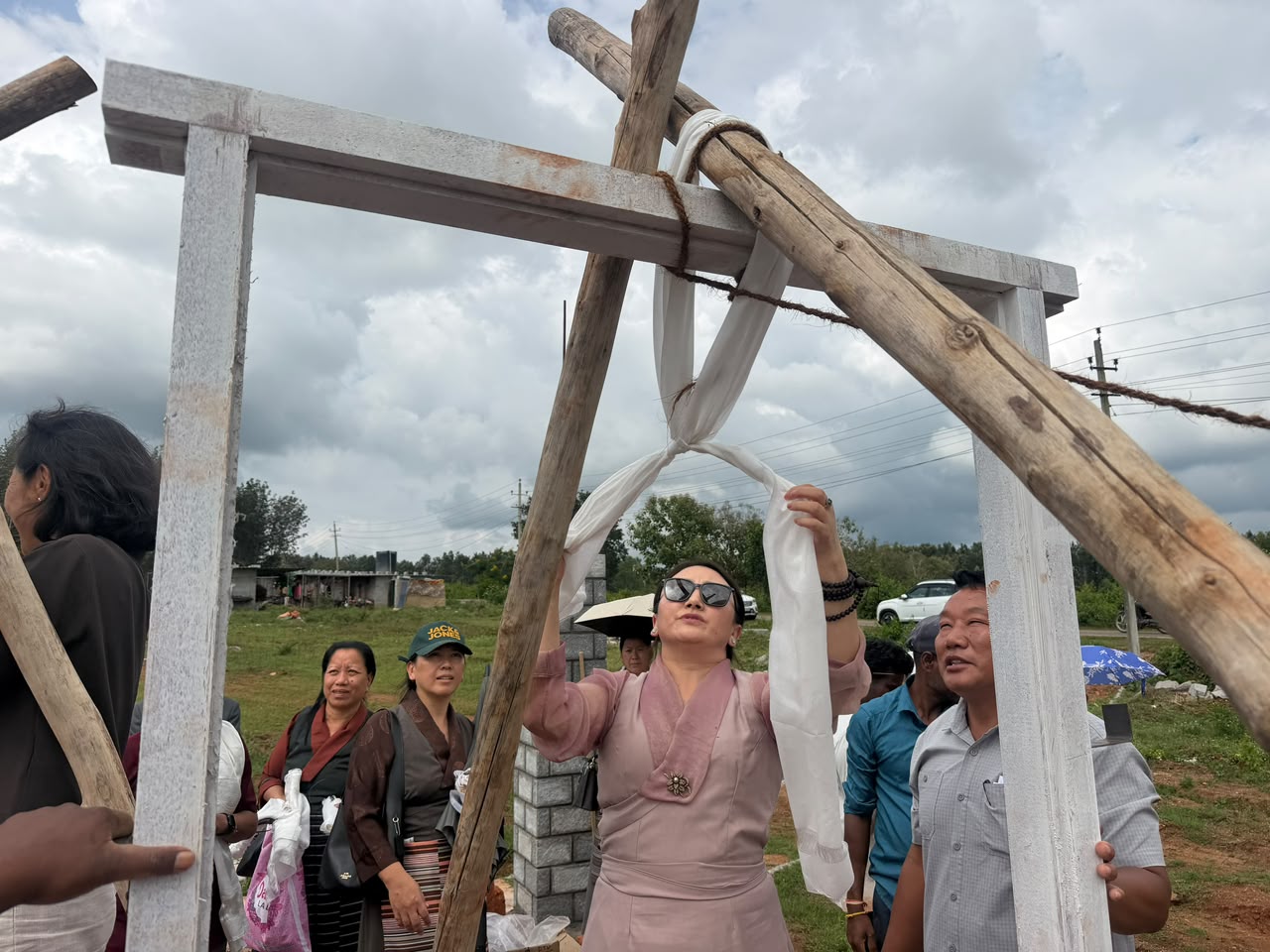
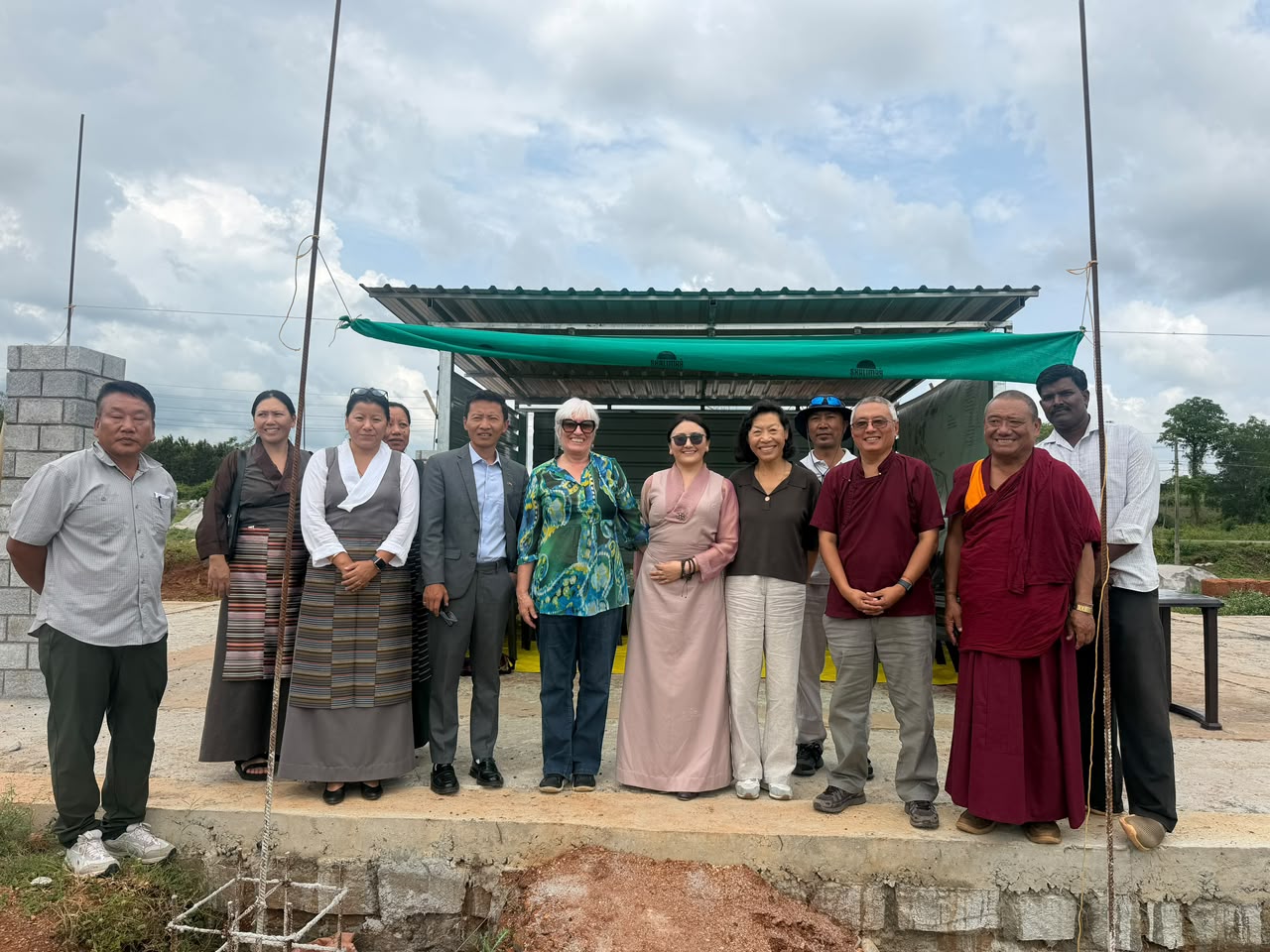
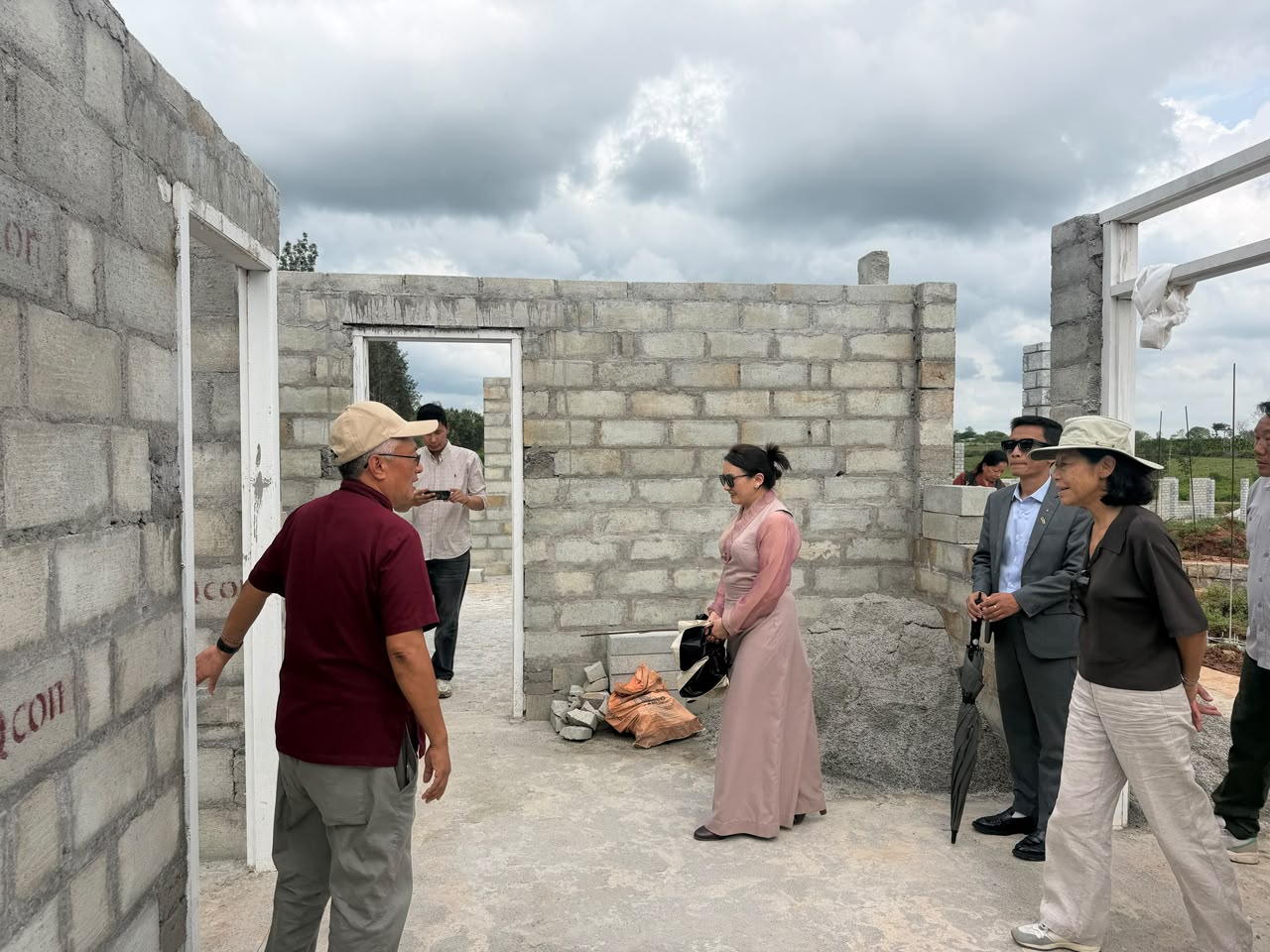
During the visit, Kalon Pema Tso also reviewed the ongoing construction of a new dormitory for senior students with special needs at Ngonga Tibetan School for Children with Special Needs. She chaired a meeting with the local project committee to assess the construction’s progress and met with donor Tashi Albertini, contractor Tsering Tashi Shakya of K.R. Construction and other officials before inspecting the site.
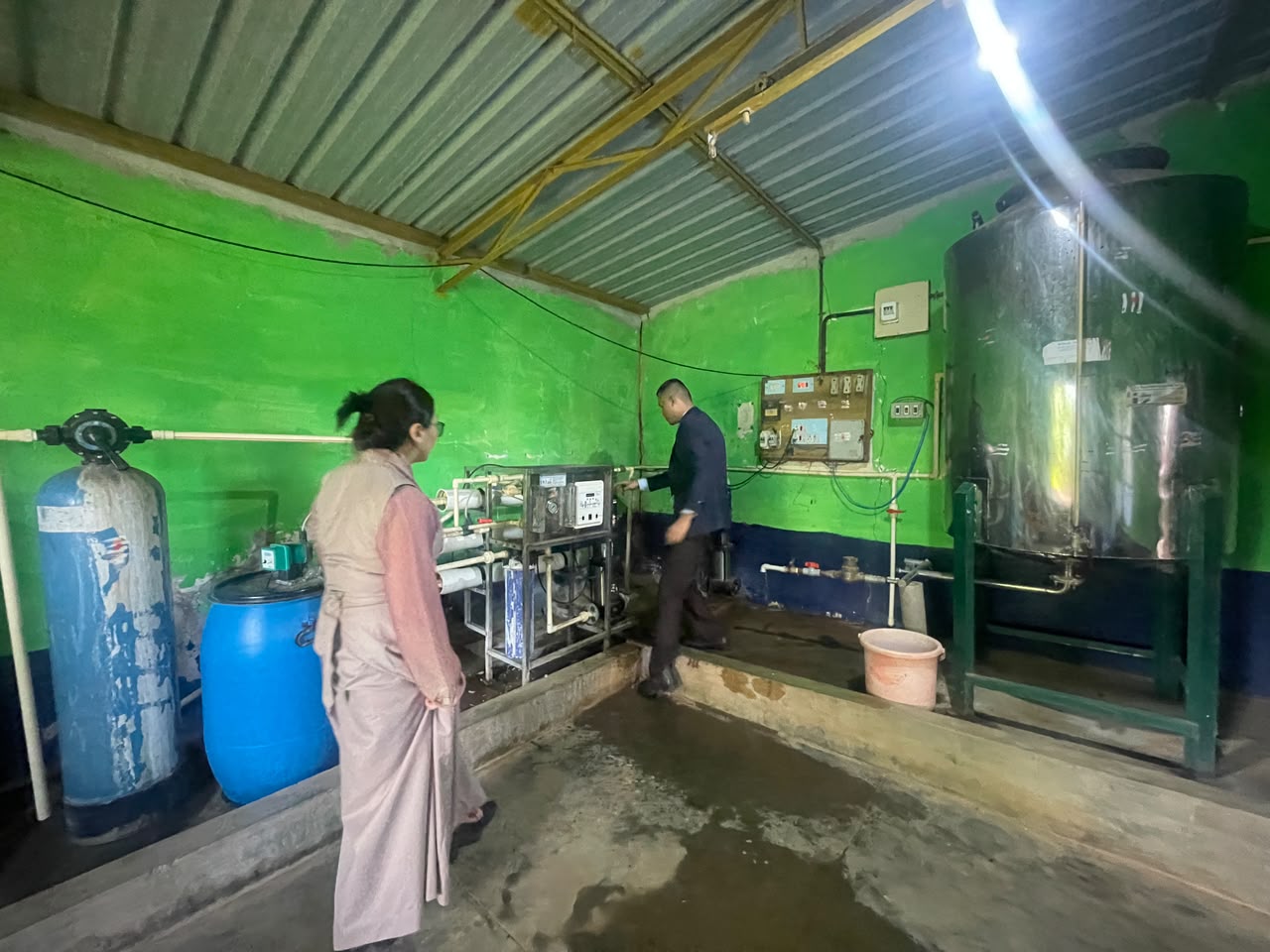
Her remaining engagements included visits to the settlement office, cooperative, local council, Truth Committee and Ex-Servicemen’s Office. At the cooperative, she was briefed on its initiatives, including the iron sheet factory, agricultural machinery section and water filtration project.
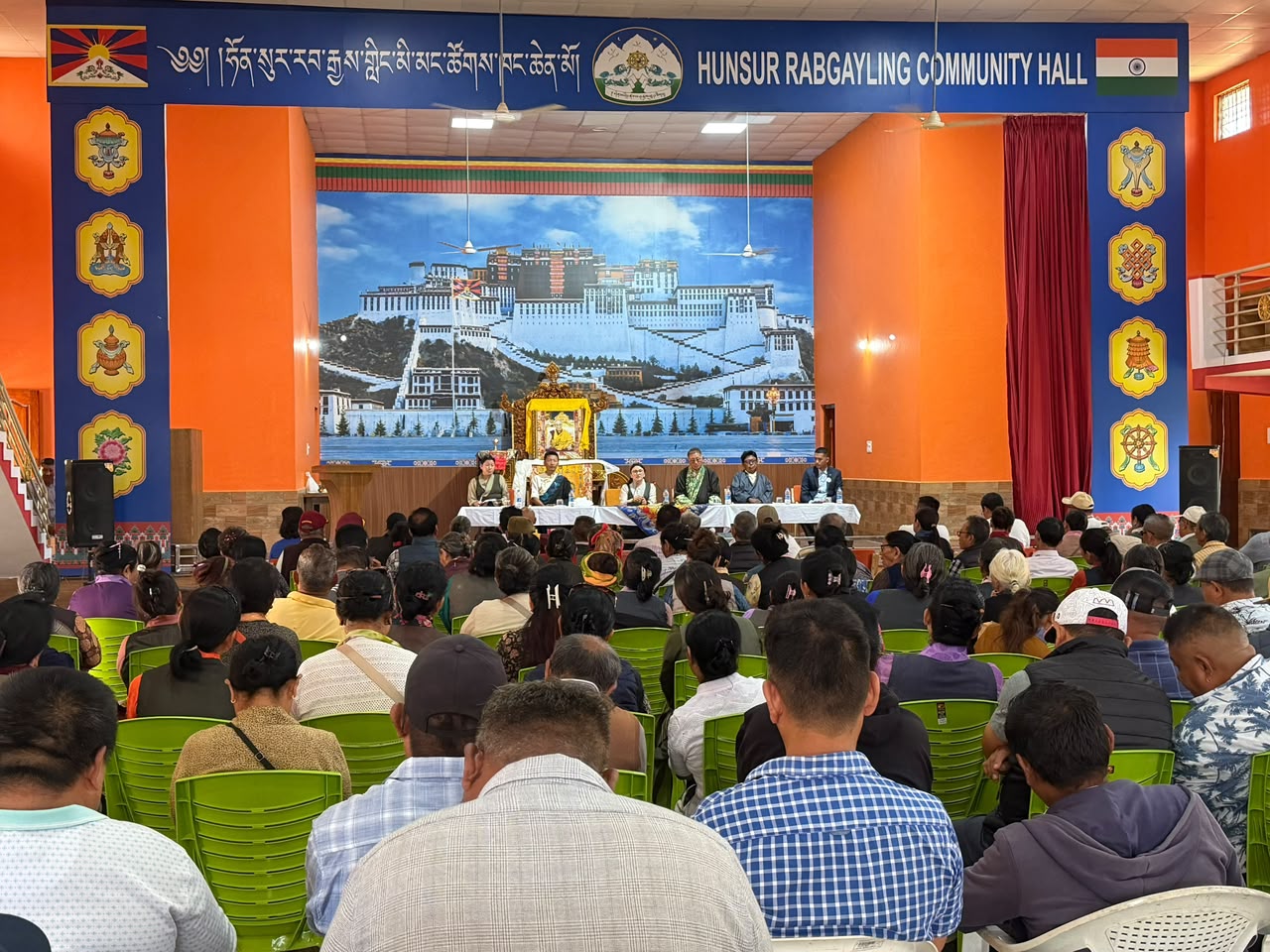
On 5 November, Kalon Pema Tso addressed a public gathering, conveying greetings on behalf of the Kashag and acknowledging the settlement’s progress since its establishment in 1972. She commended the contributions of earlier generations, whose dedication, together with the guidance of His Holiness the Dalai Lama and support from the Central Tibetan Administration (CTA), had helped establish the settlement’s educational, religious and community institutions.
She also outlined the priorities of the 17th Kashag, highlighting its commitment to strengthening international advocacy for Tibet, engaging with governmental and non-governmental organisations, and preserving Tibetan religion, culture and language. Referring to the implementation of China’s so-called “Law on Promoting Ethnic Unity and Progress” in Tibet from 1 July 2026, she stressed the urgency of preserving Tibetan identity, particularly through the correct use and transmission of the Tibetan language to younger generations.
Sharing the purpose of her official tour of South Indian settlements, the Kalon said the visits aimed to assess healthcare facilities, Men-tsee-khang branches, monastic hospitals, clinics and old-age homes, while identifying areas requiring further development and reviewing staffing and administrative arrangements.
On healthcare policy, she informed the gathering that a Health Advisory Committee had been established to formulate a comprehensive health policy for Tibetans in exile, which was expected to be finalised within six months. The proposed policy seeks to strengthen healthcare services, improve access to medical facilities and address emerging public health challenges, including infectious and non-communicable diseases.
The Health Kalon also addressed public concerns regarding drinking water, sanitation, water storage and waste management. With declining groundwater levels, she encouraged rainwater harvesting and proper maintenance of water reservoirs. She further called for greater household participation in waste segregation and responsible disposal.
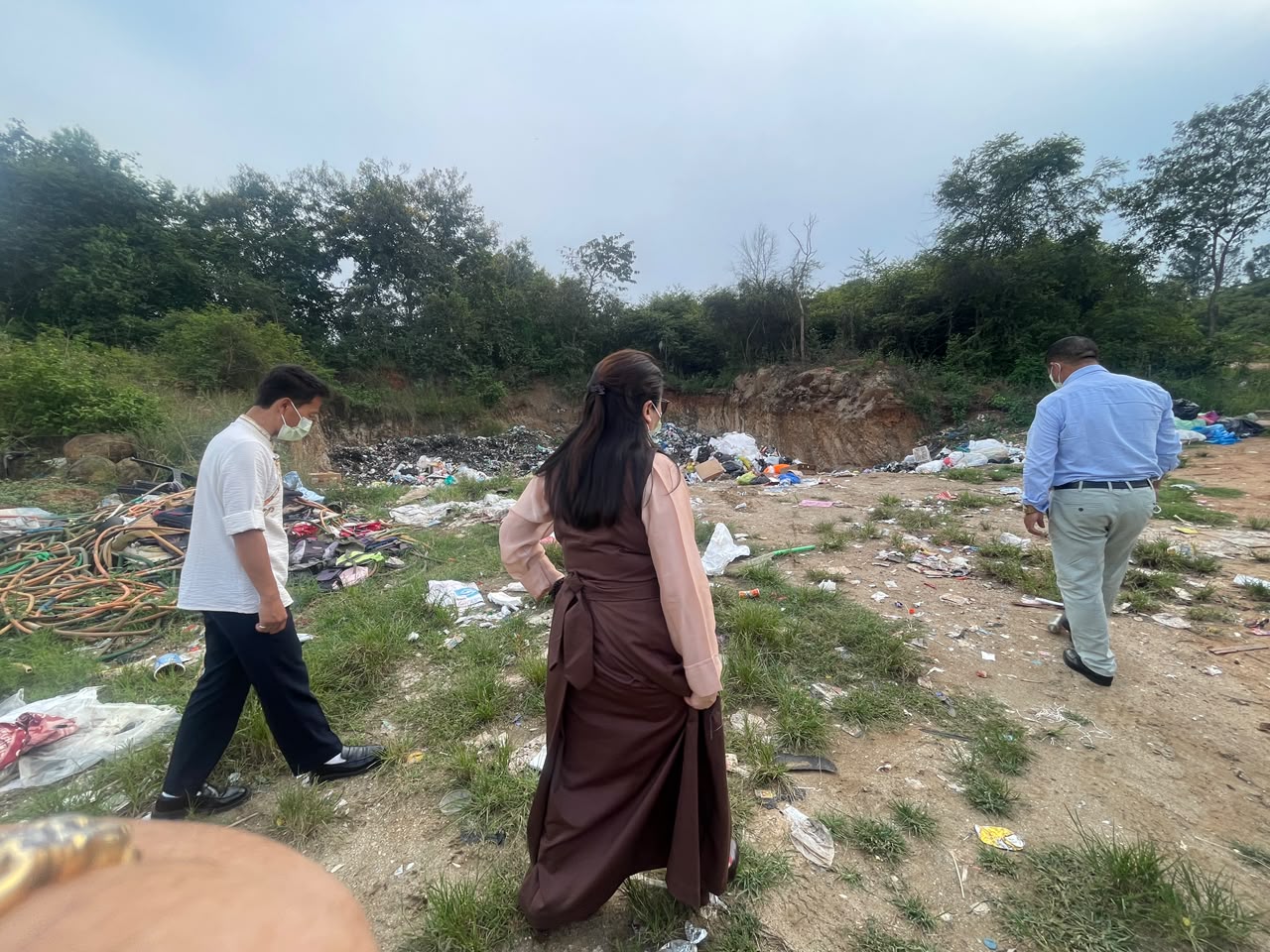
As part of her community welfare engagements, she met with individuals receiving assistance under the Department of Health’s welfare programme, enquiring about their health conditions and access to prescribed medicines. She also inspected the settlement’s waste disposal site. Following the completion of her official engagements, Kalon Pema Tso departed Hunsur Rabgyaling for Bylakuppe Tibetan Settlement.