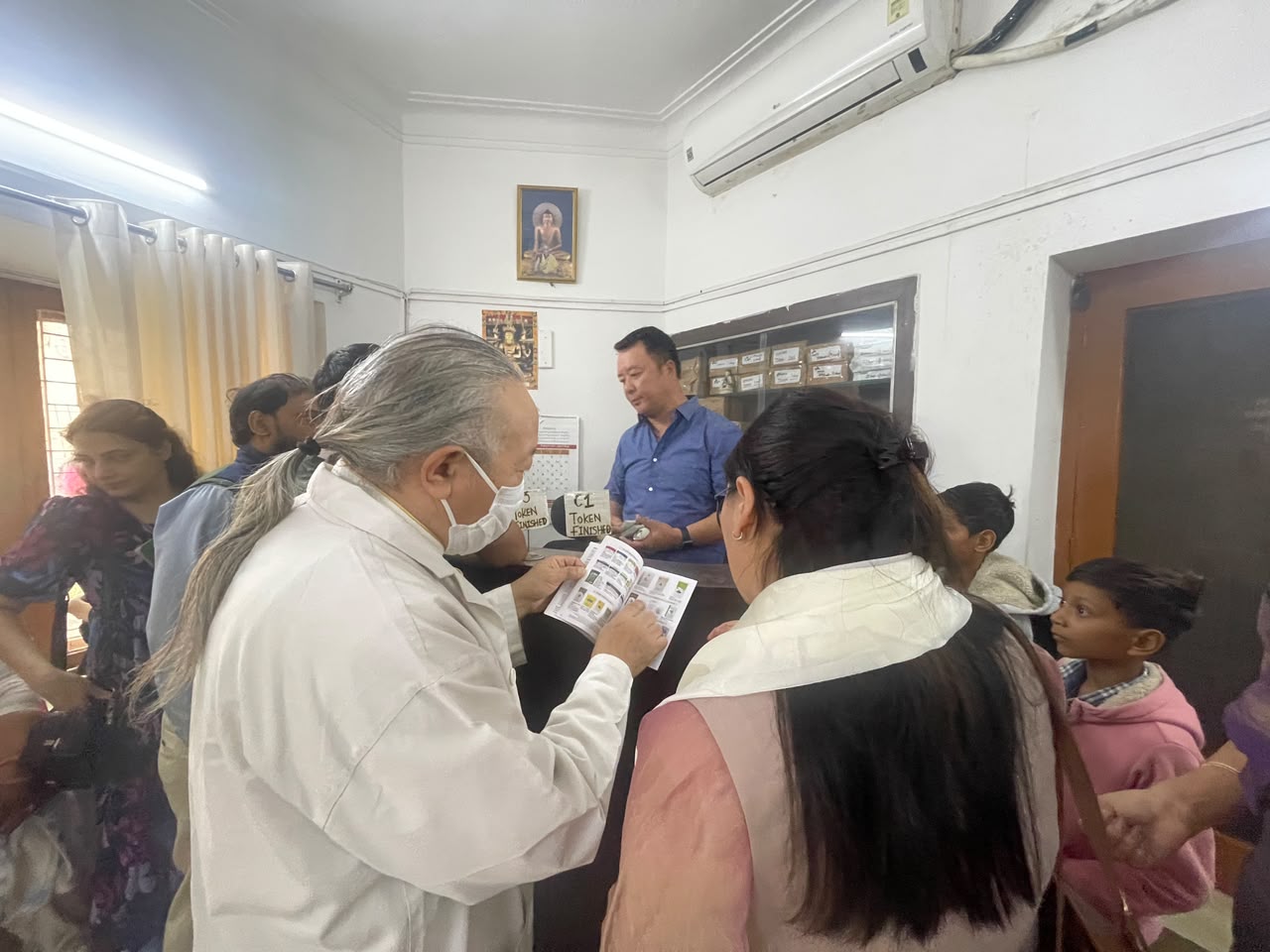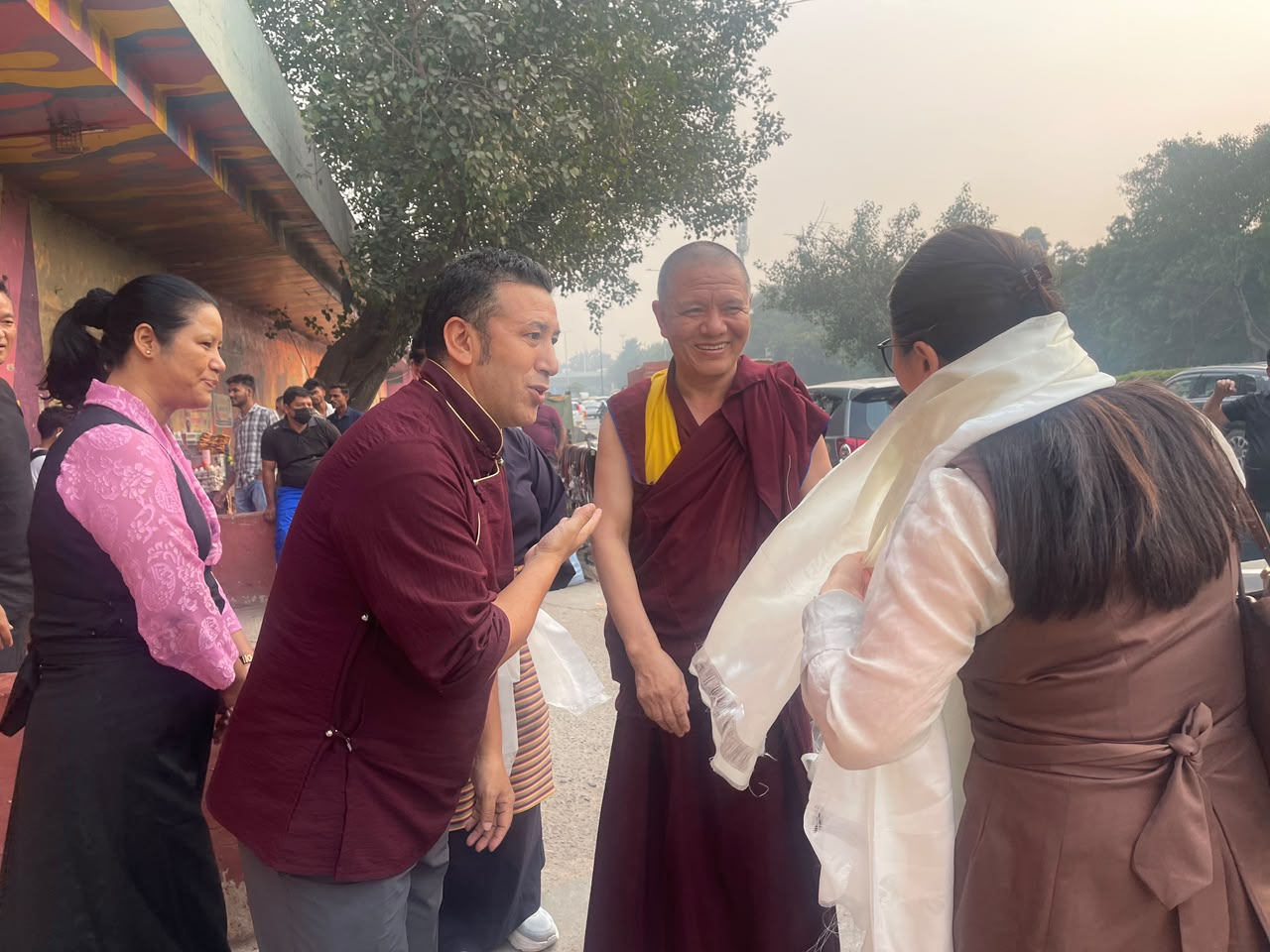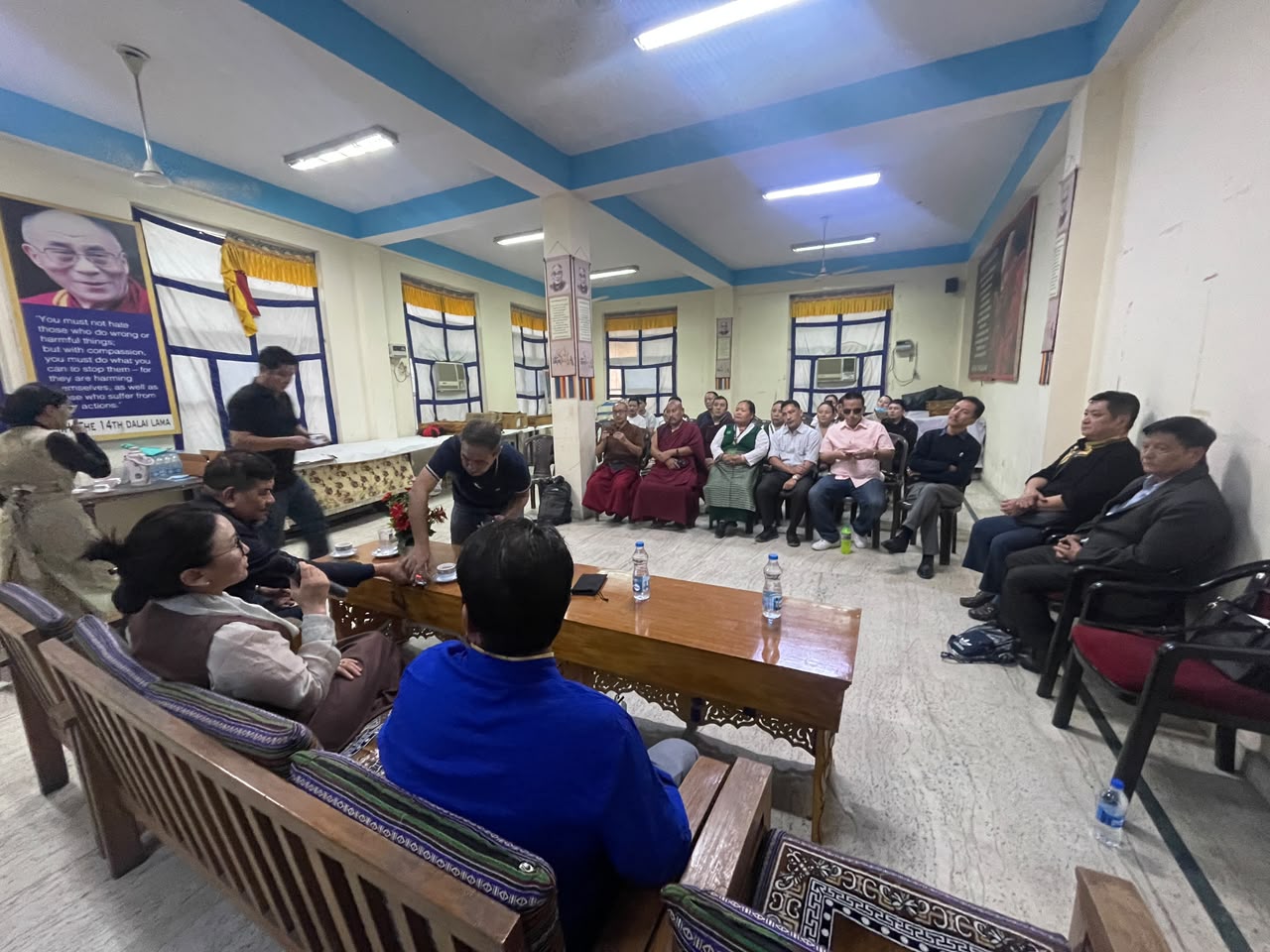
New Delhi: Kalon Pema Tso of the Department of Health, CTA, conducted a two-day official visit to Samyeling Tibetan Settlement and Tibetan health facilities in Delhi on 14 and 15 November 2026, during which she visited the local Tibetan Primary Healthcare Centre, Men-tsee-khang branch clinics in Nizamuddin and Rohini, and the Tibetan Reception Centre in Ladakh Buddha Vihara. She also met with representatives of local organisations, Tibetan residents needing medical assistance, parents of children with special needs, and students at the Tibetan Youth Hostel.
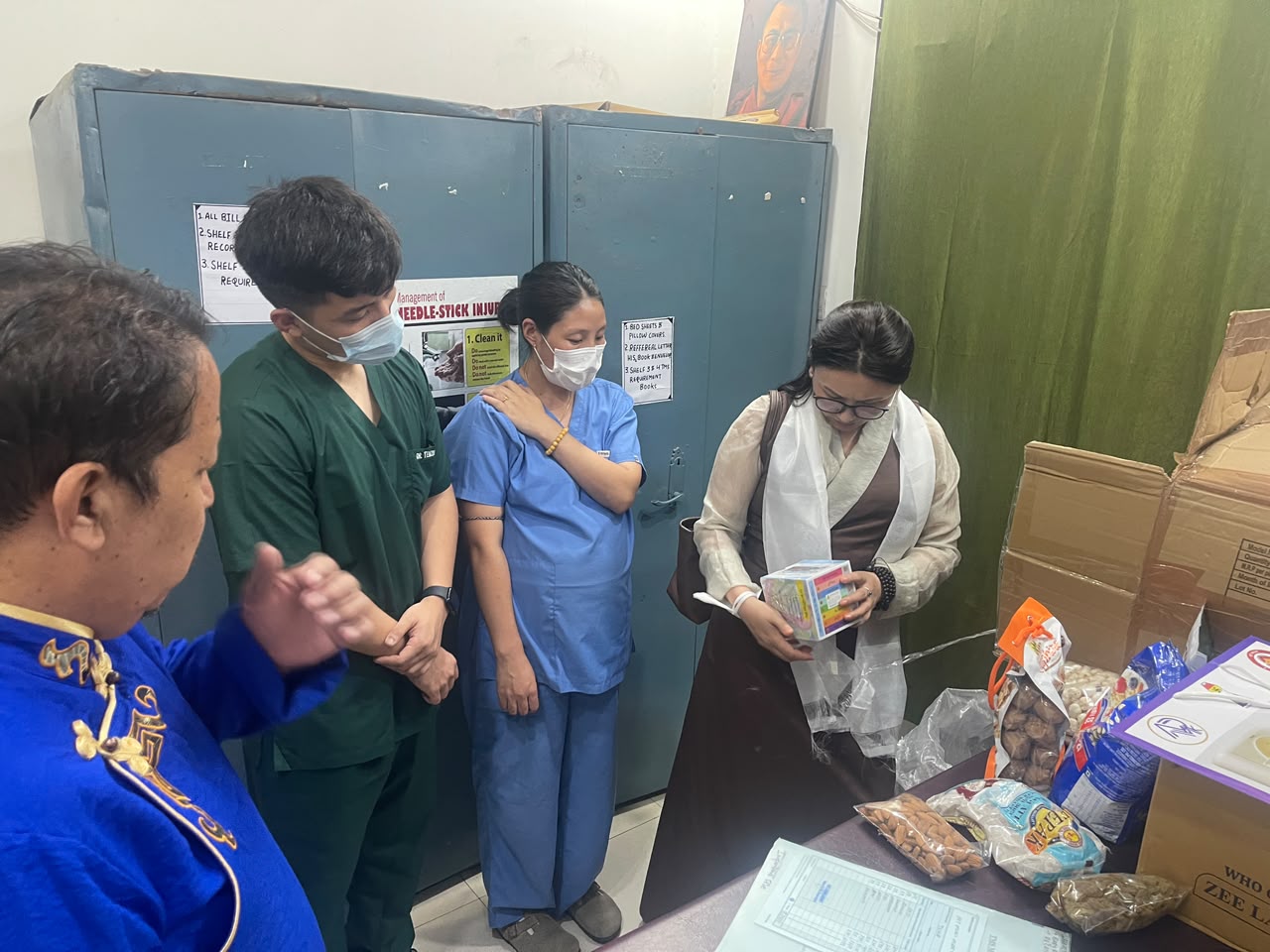
On 14 November, the Health Kalon visited Samyeling Tibetan Day School, where the school principal briefed her on the institution’s academic activities and ongoing programmes. She subsequently visited the Men-tsee-khang branch clinic in Samyeling and reviewed its activity report. During the interaction with staff, she emphasised teamwork, mutual respect, and cooperation in the workplace. She also informed them that the draft Health Policy, once finalised, would be circulated to local healthcare facilities. Highlighting the importance of data-driven planning, she encouraged the clinic to share patient statistics with the Department of Health to facilitate future healthcare planning.
The Kalon later visited the Tibetan Primary Healthcare Centre under the Department of Health, where she reviewed patient records and discussed community health concerns, including substance abuse and addiction. She also met with parents of children with special needs, briefed them on available programmes and rehabilitation support, and assured them of the department’s continued commitment to extending assistance.
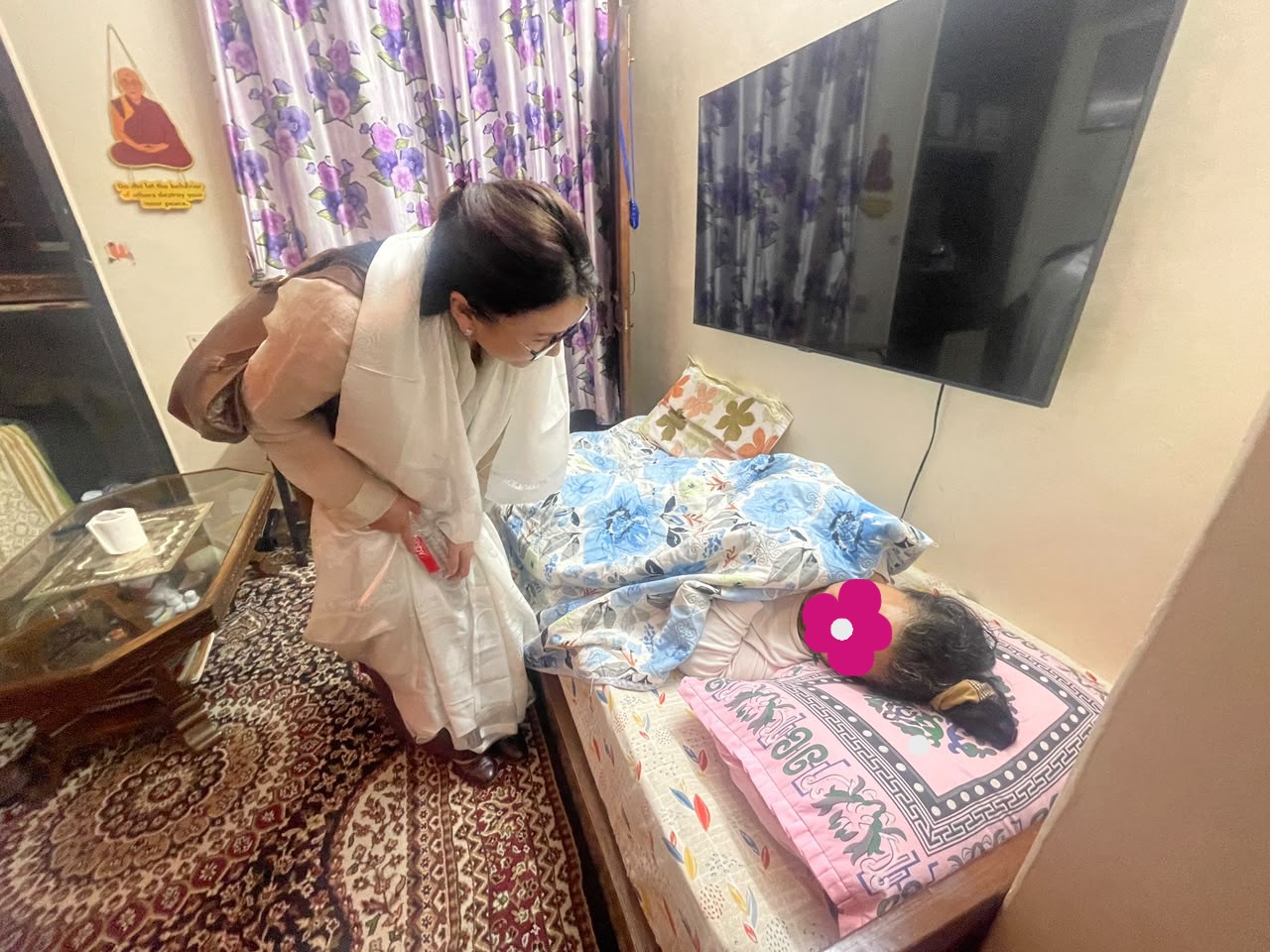
In the afternoon, the Kalon met with representatives of various local organisations and community leaders. She briefed them on the priorities of the 17th Kashag and shared observations from her recent visits to Tibetan settlements in South India. She also spoke about the forthcoming Health Policy and the department’s ongoing assistance to Tibetans in need, including support for sanitation and water storage facilities. Expressing concern over the growing global water crisis and declining groundwater resources, she highlighted plans to promote rainwater harvesting and water conservation in Tibetan settlements. She subsequently interacted with Tibetans requiring medical assistance, advising them to take proper care of their health and follow their prescribed medication schedules.
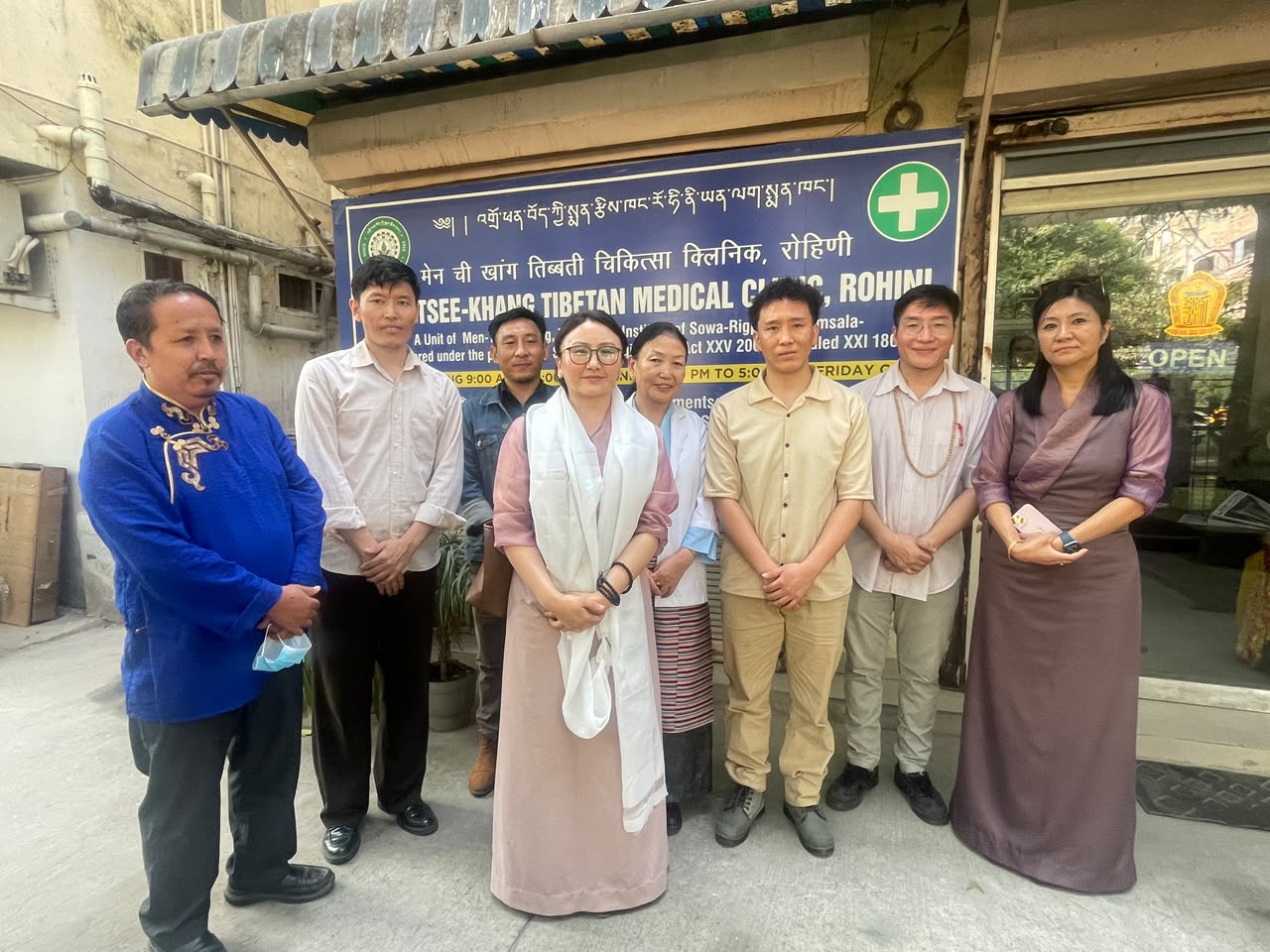
On 15 November, the Health Kalon visited the Nizamuddin branch clinic of the Men-tsee-khang, where she was briefed on its history, patient statistics, revenue, and overall activities. Appreciating the contribution of Tibetan medicine to public health, she emphasised the importance of integrating Tibetan medicine with Buddhist principles to address the growing mental health challenges among Tibetan youth. She also encouraged younger practitioners to learn from senior colleagues and take responsibility for preserving and carrying forward the rich heritage of Tibetan medicine and astrology. She subsequently visited the institute’s Rohini branch clinic.
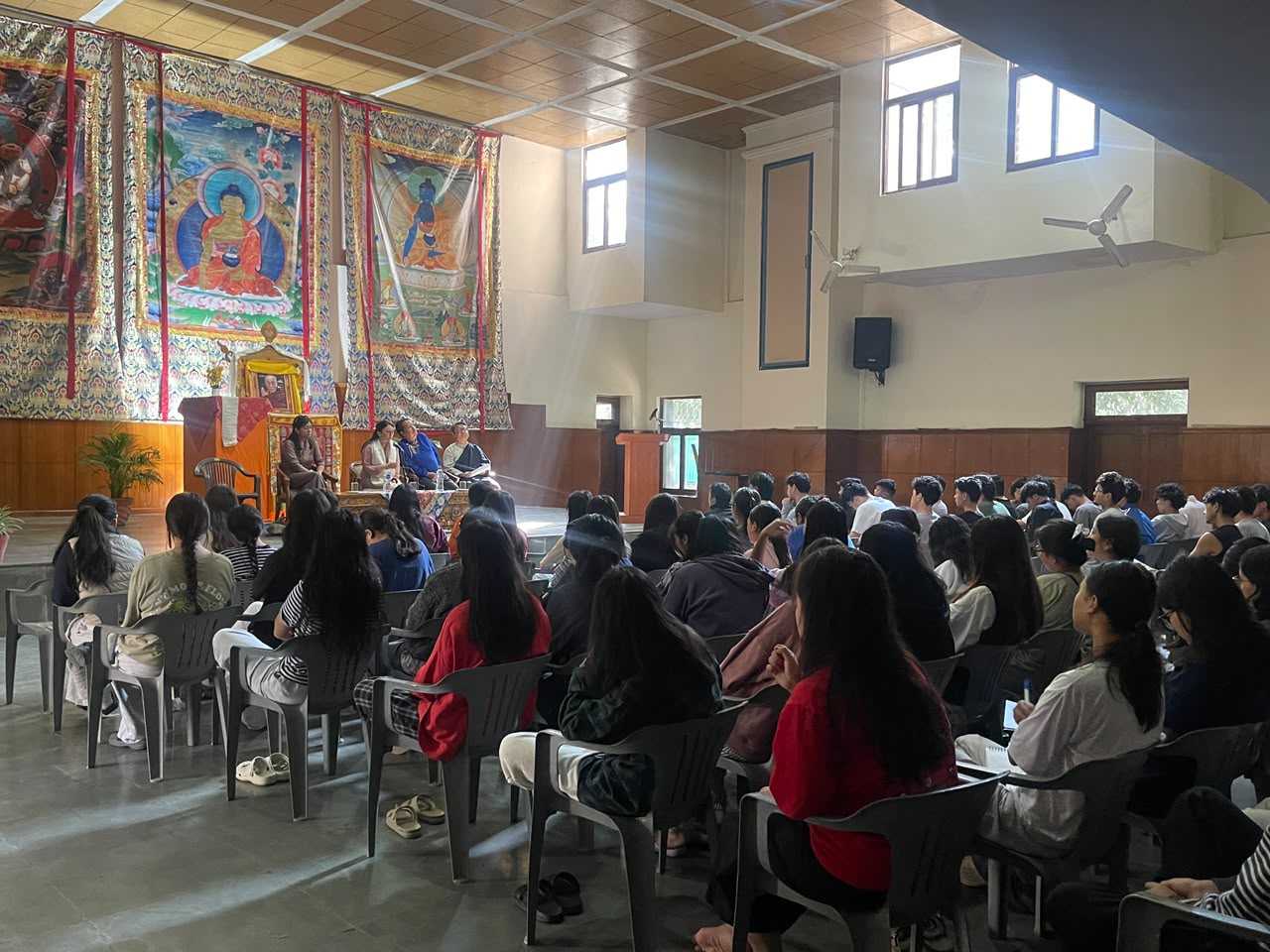
The Health Kalon concluded her visit with an interaction with students at the Tibetan Youth Hostel in Rohini, where she was briefed on the students’ academic progress and hostel activities. Addressing the students, she urged them to remain grateful for the opportunities and support provided by Tibetan Children’s Village, establish clear goals for their future, and make the best use of their educational opportunities. She also emphasised the importance of maintaining both physical and mental well-being, adopting healthy lifestyles, and developing good moral values. Encouraging them to become responsible and self-reliant individuals, she advised the students to contribute meaningfully to their families and the wider Tibetan community.