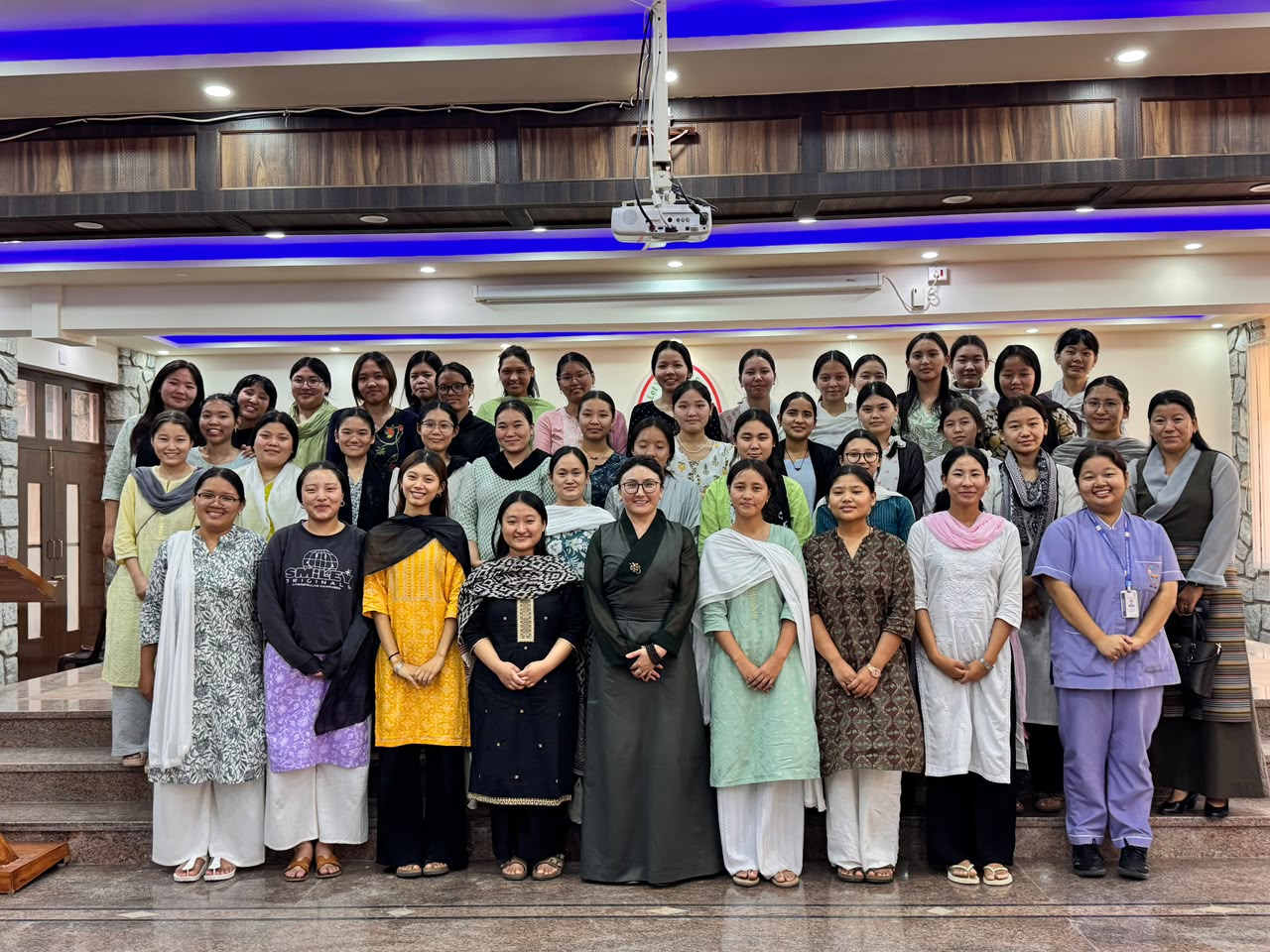
Bengaluru: As part of her ongoing official visits in South India, Health Kalon Pema Tso met with Tibetan students studying in Bengaluru and delivered an address highlighting the importance of resolving the Tibet-China conflict, the Central Tibetan Administration’s future responsibilities, the role of students, and public health awareness.
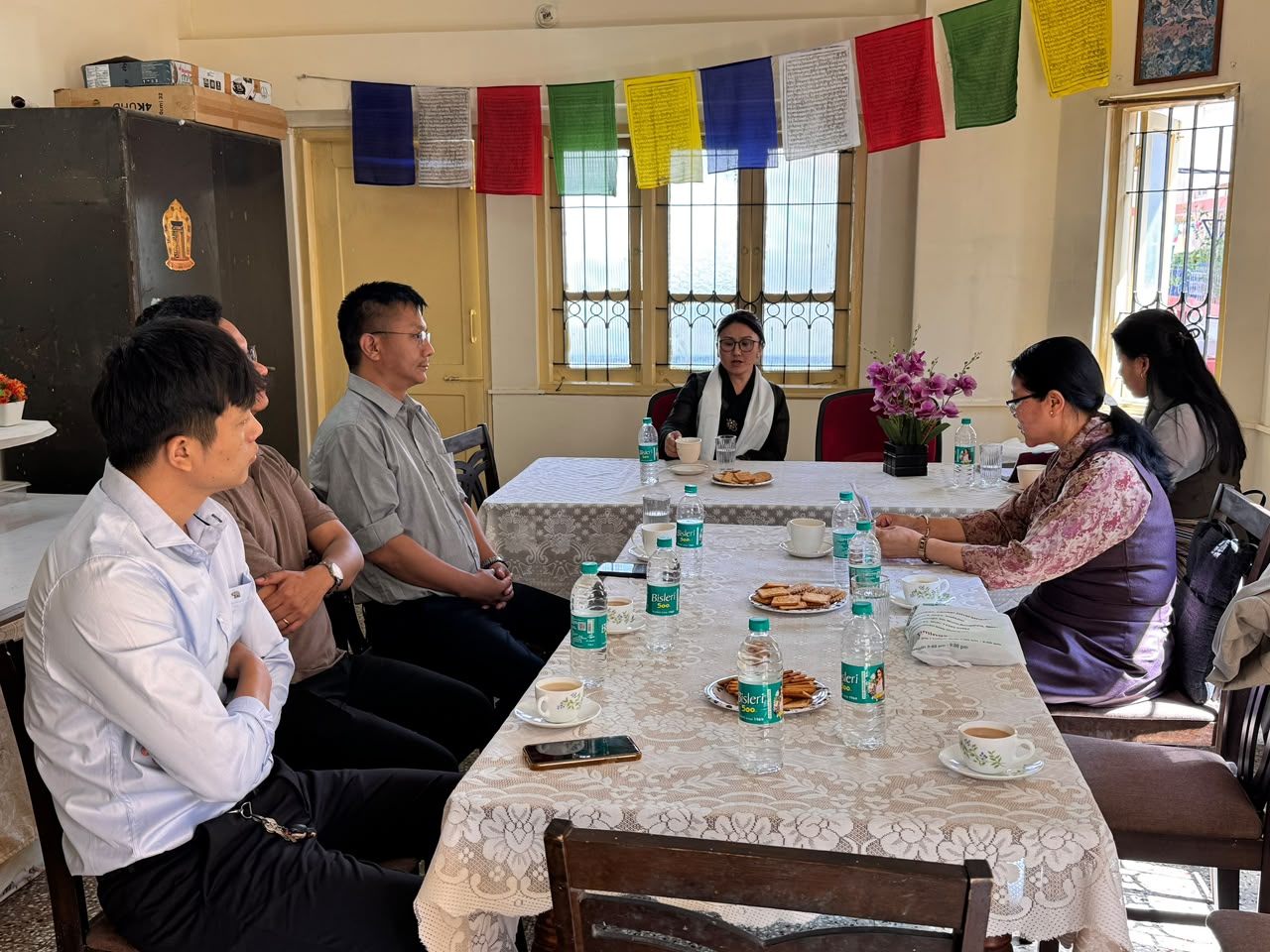
At around 3:30 pm, the Health Kalon arrived at the Chief Representative Office of the South Zone in Bengaluru, where she was warmly received by Chief Representative Officer Jigme Tsultrim, the Director of Tibetan Youth Hostel, staff members of the Chief Representative Office and Tibetan Youth Hostel, and student representatives.
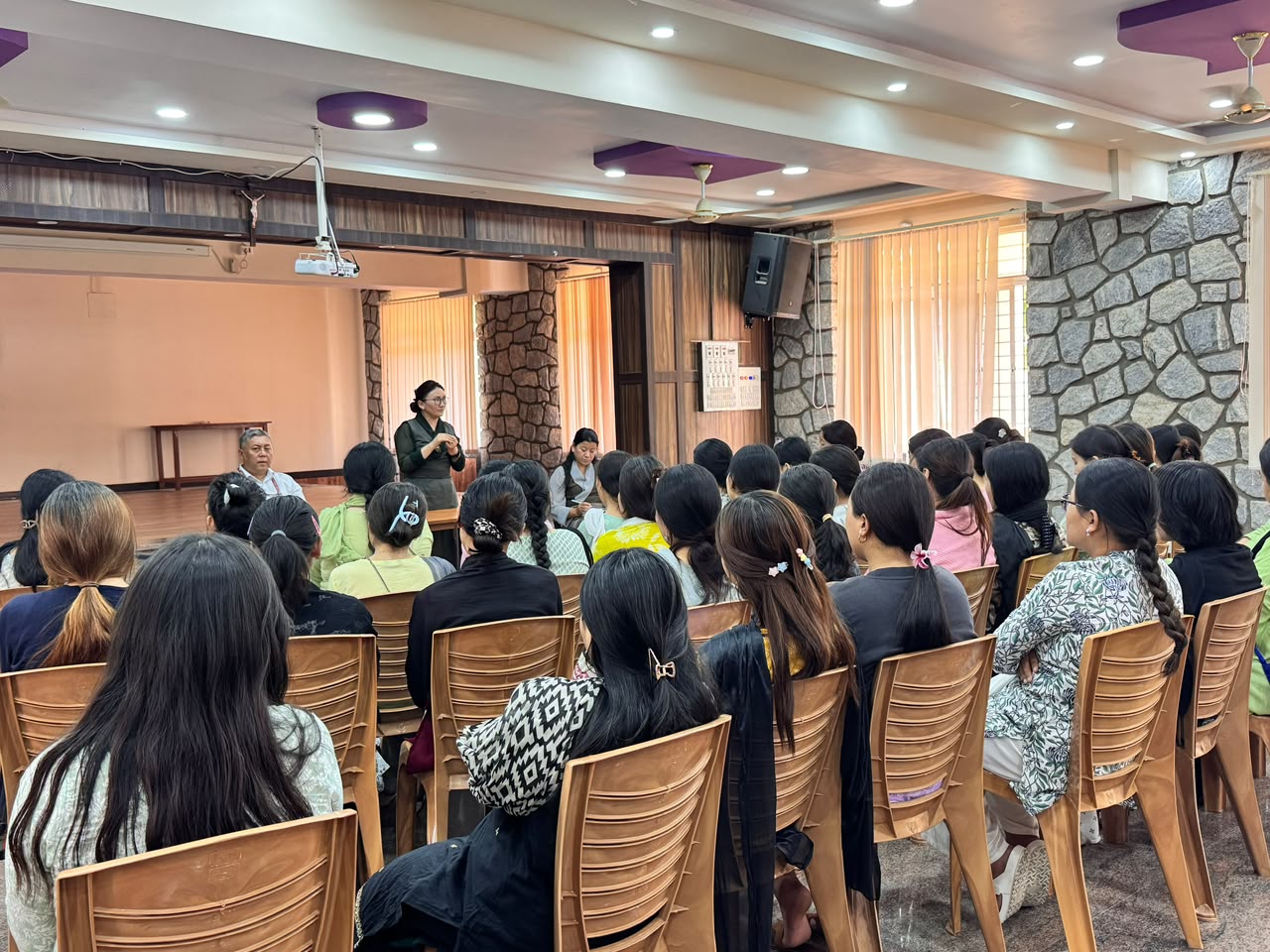
Around 5:30 pm, the Health Kalon met with members of various Tibetan student organisations in the conference hall of the Chief Representative Office. Those present included the members of the Voluntary Tibet Advocacy Group, Regional Tibetan Youth Congress, Students for Free Tibet, and Global Tibetan Student Union, as well as the Vice President of the Global Tibetan People’s Movement for Middle Way Approach and members of its regional chapter.
During the meeting, the presidents and vice presidents of the respective organisations welcomed the Health Kalon and introduced their organisations, outlining their activities and responsibilities. The Health Kalon, in turn, greeted the members and briefed them on the purpose and objectives of her official visit.
Addressing the gathering, the Health Kalon said that taking on leadership responsibilities as presidents, vice presidents, and members of student organisations, among many students, demonstrated their sense of responsibility and leadership capabilities. She noted that these positions carried responsibilities beyond those of ordinary students and provided a foundation for becoming future representatives and responsible members of the Tibetan community in exile and the Central Tibetan Administration.
She particularly emphasised that regardless of the different political positions students might hold, they all shared a common Tibetan identity and should remain united in their common objective of resolving the Tibet cause. She further stated that their commitment to fulfilling organisational responsibilities through collective efforts and unity served as a positive example for younger generations of Tibetan students.