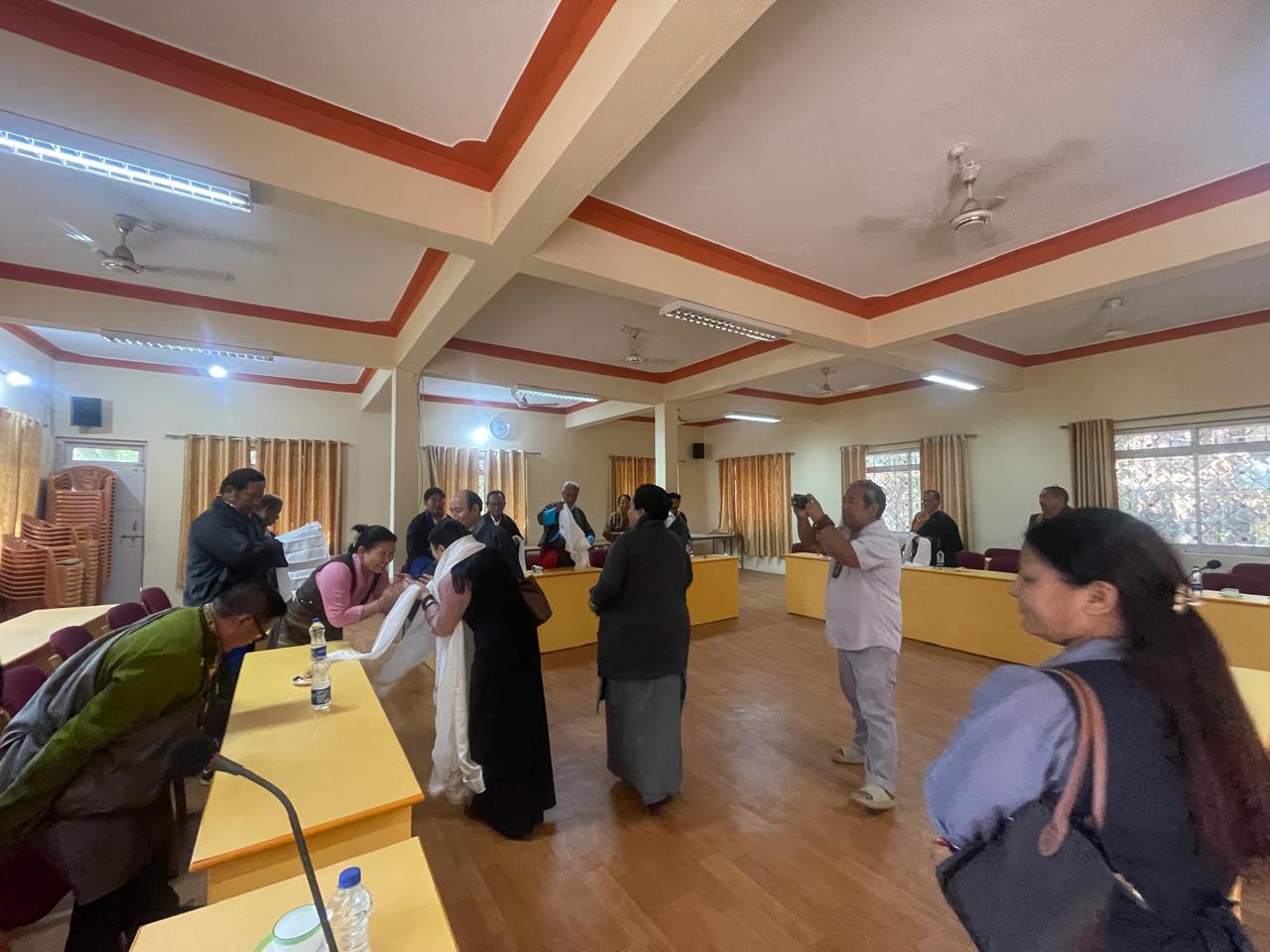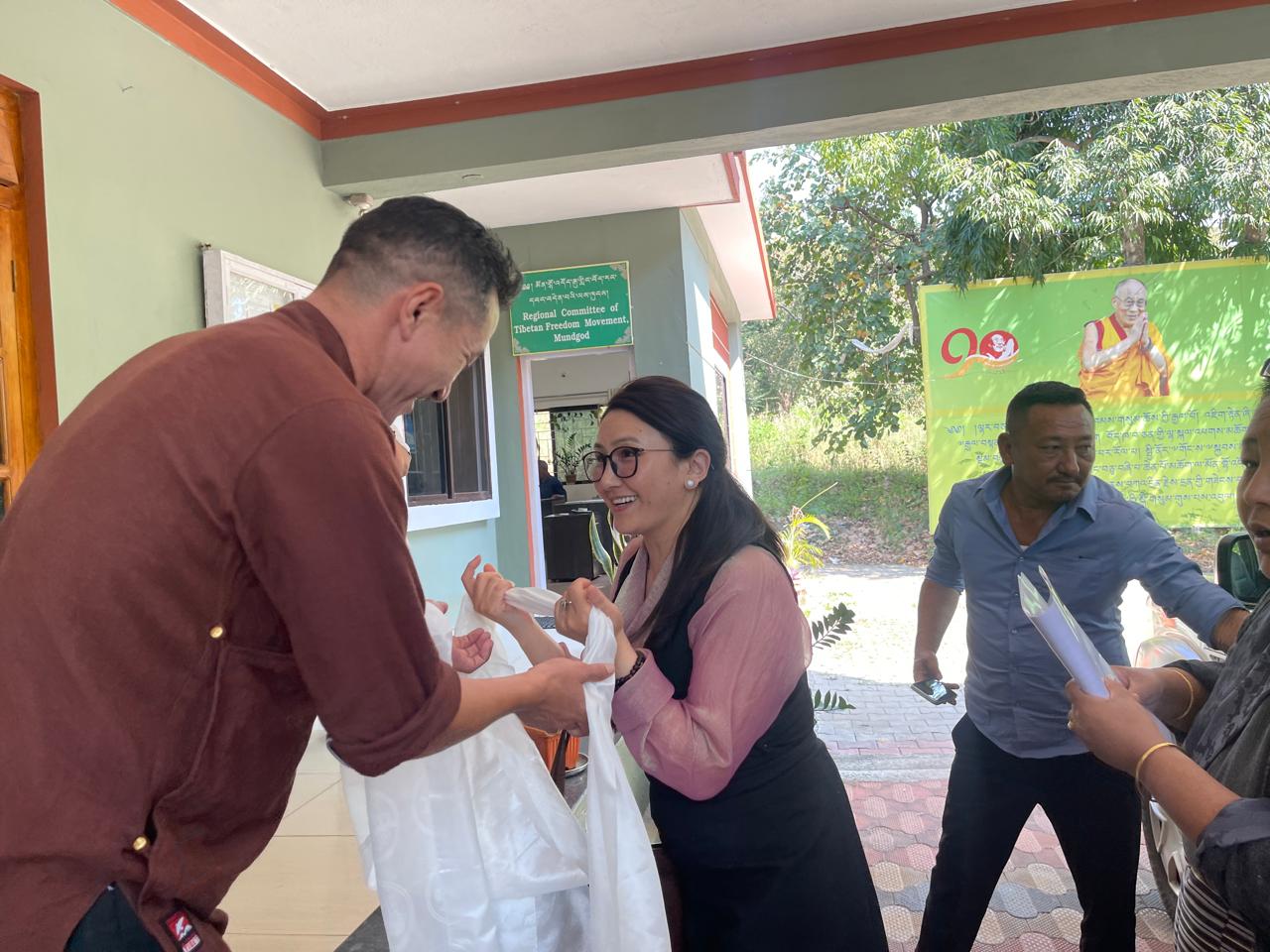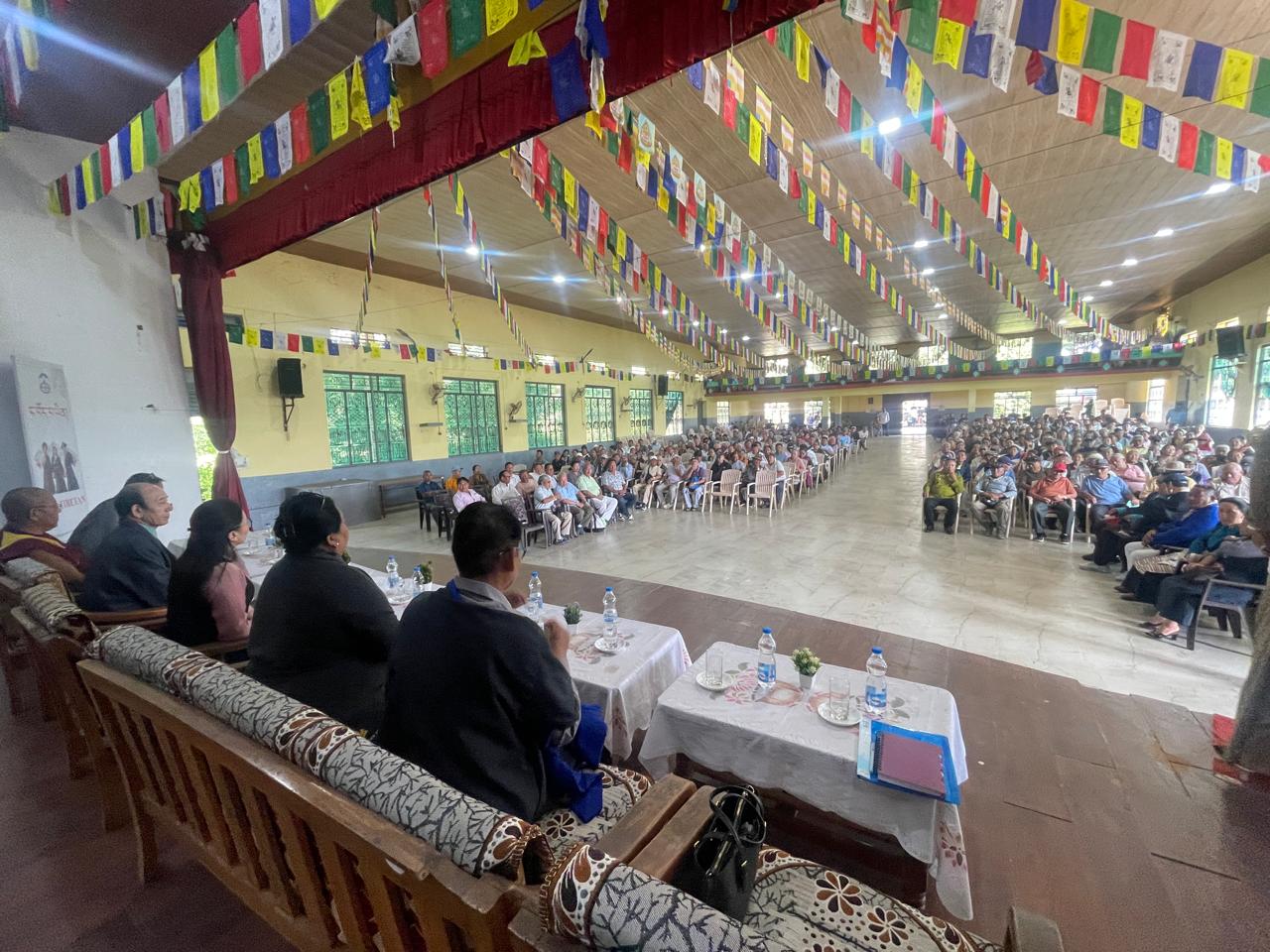
Mundgod: On 30 October 2026, Health Kalon (Minister) Pema Tso addressed a public gathering at the settlement community hall of Mundgod Doeguling Tibetan Settlement as part of the third day of her official visit. Upon arriving at the community hall in the morning, she was warmly welcomed by members of the local Tibetan community, led by the Chairperson of the Local Tibetan Assembly, the Chairman of the Cooperative Society, and the Secretary of the Regional Tibetan Freedom Movement.
The programme began with Health Kalon paying honour to His Holiness the 14th Dalai Lama before his portrait and offering a khatag. Settlement Officer Rinchen Wangmo then briefed the gathering on the Kalon’s three-day visits in the settlement, followed by an overview of the Settlement Office’s activities. Following this, a brief introduction of the Kalon was read out to the gathering.
Speaking on behalf of the 17th Kashag and the Central Tibetan Administration (CTA), Health Kalon Pema Tso conveyed greetings to the gathering and briefed the public on the Kashag’s five-year work plan, strategic planning and the functioning of various CTA departments. She also highlighted the formulation of a policy to preserve the Tibetan language in view of the critical situation inside Tibet.
She explained that the Kalons had begun visiting Tibetan settlements to engage with local communities and gain a better understanding of their current conditions, challenges, achievements and future priorities. These visits also aim to assess the overall functioning of Tibetan settlements and the responsibilities of the respective departments under the CTA. Noting the importance and large number of Tibetan religious and cultural institutions in settlements in South India, she said her visitation programme commenced with settlements in South India. She further explained that Sikyong Penpa Tsering had instructed her, in her capacity as Health Kalon, to look beyond the Department of Health’s direct responsibilities, including health centres, Men-Tsee-Khang branches, monastic clinics and hospitals, and also pay attention to other local institutions. These include both government and non-government institutions, such as schools, monasteries, and cooperative societies.
Further in her remarks, Health Kalon Pema Tso acknowledged the settlement’s significant progress in infrastructure development and its efforts to protect the environment in line with modern needs. She particularly appreciated the Tibetan-language instructions and verses displayed on the walls of monasteries, school classrooms and public halls during her visits. She said these efforts reflected the settlement’s commitment to keeping Tibetan religion, culture and language alive. Emphasising the importance of preserving Tibetan identity, she noted that merely identifying oneself as Tibetan was no longer sufficient. Rather, Tibetans must take pride in their identity, know the Tibetan language and understand their own religion and culture.
Addressing the challenges posed by the Chinese government’s policies, she noted that China had enacted the so-called “Law on Promoting Ethnic Unity and Progress”, which she said aimed to sabotage Tibetan religion and culture. Referring to Article 15 of the law, which prohibits individuals and organisations from obstructing the use of the national common language, she expressed concern over its implications for the preservation of Tibetan language and cultural identity. She also recalled a recent statement by His Holiness the 14th Dalai Lama, who emphasised the importance of Tibetans speaking to one another in their own language.
Health Kalon Pema Tso noted that the fourth week of September had been designated as Tibetan National Identity Preservation Week from this year onward. She urged settlement offices, local assemblies, cooperative societies and all governmental and non-governmental organisations to organise and implement programmes aimed at preserving the Tibetan language. She also expressed her appreciation for young Tibetans serving their settlements and the Central Tibetan Administration, noting that their parents’ encouragement towards education had helped them take up these responsibilities.
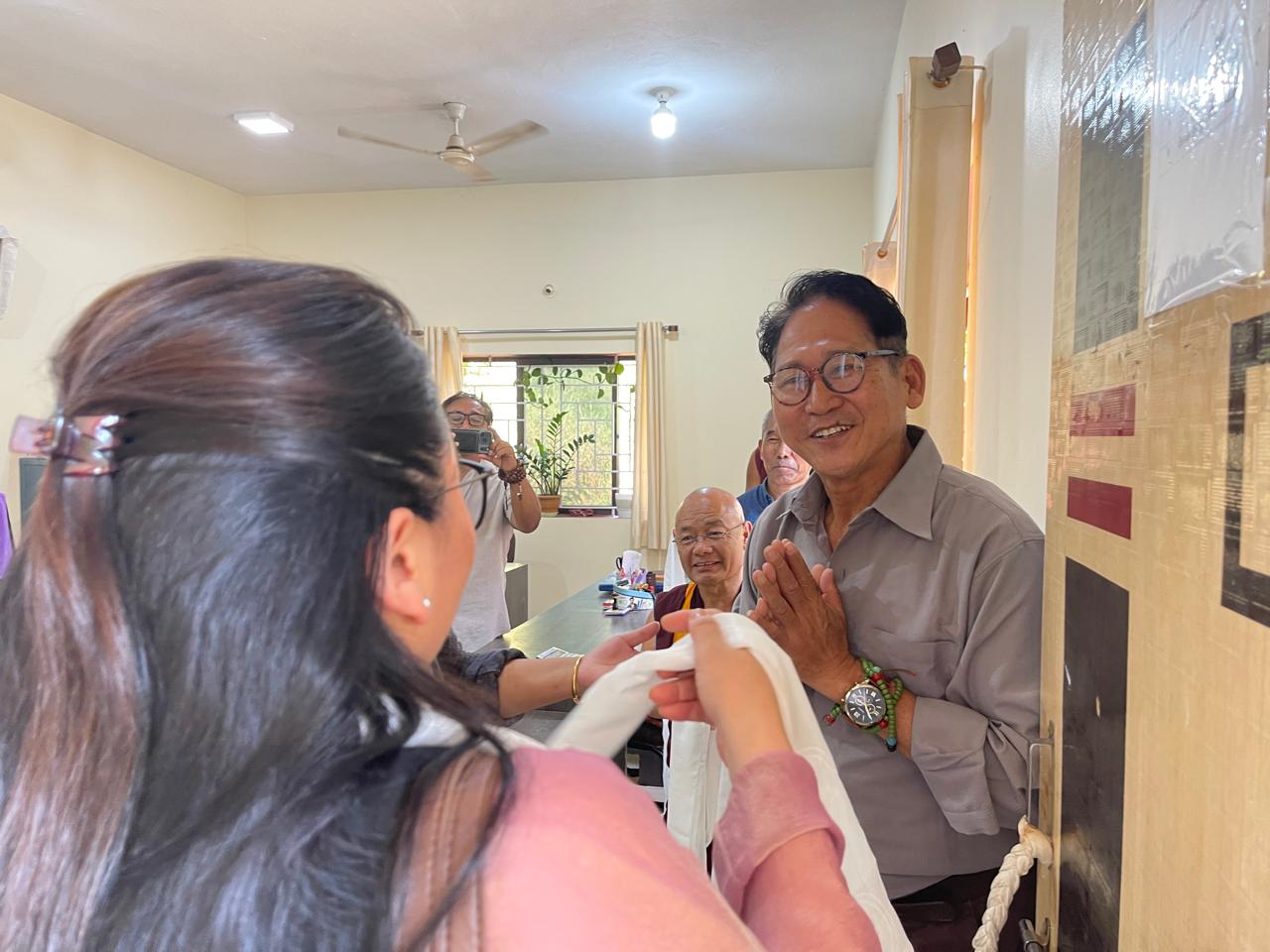
She also urged the public to pay attention to their health, as certain diseases are becoming increasingly common in the community, due to unhealthy dietary habits and lifestyles. She further called on Tibetans to remain united, strengthen their solidarity and work together towards a common goal. She then responded to questions from members of the public. In the afternoon, Health Kalon visited the Tibetan Settlement Office, the Local Tibetan Assembly, the Cooperative Society office and the Regional Tibetan Freedom Movement office as part of her official engagements.
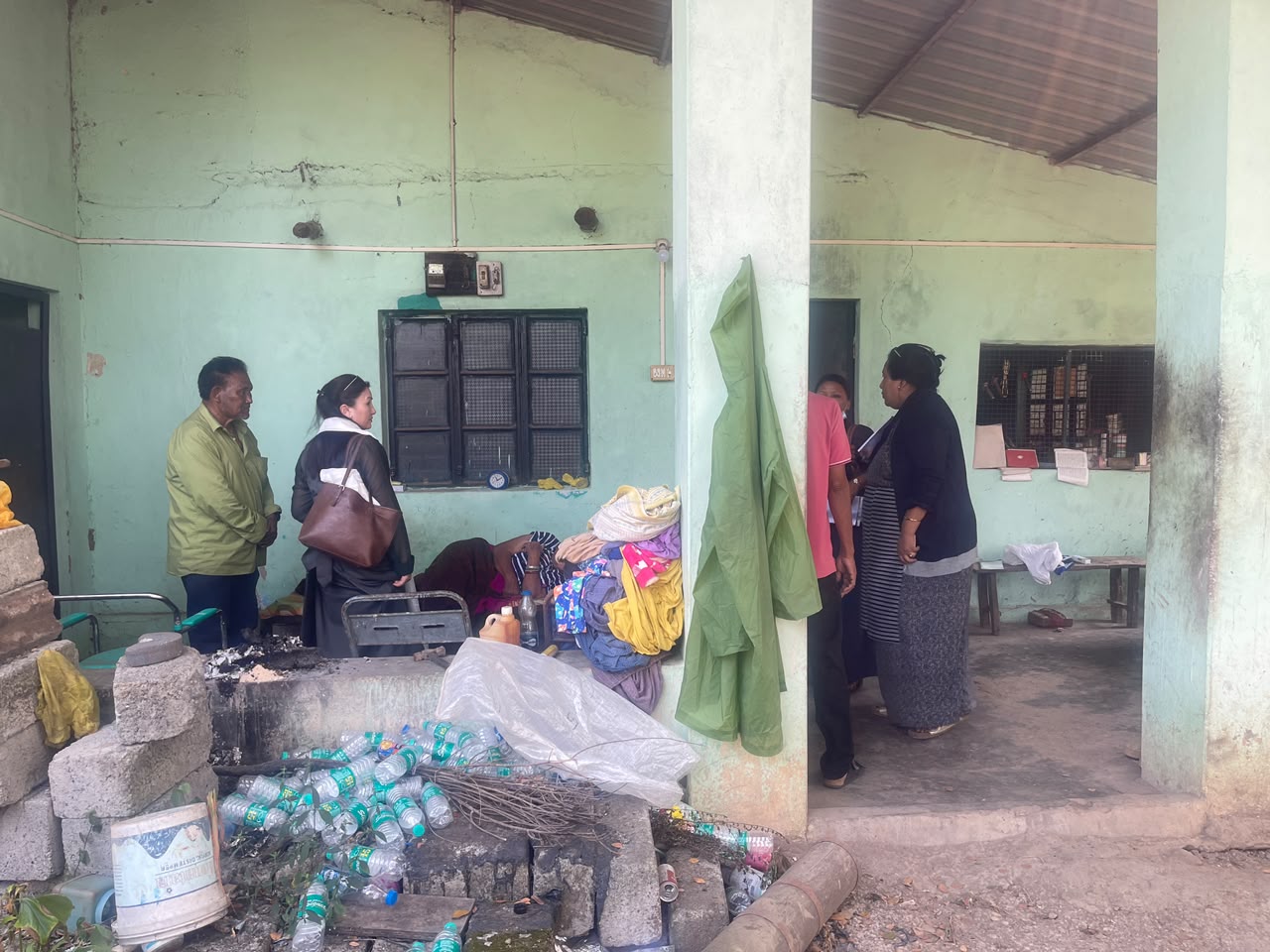
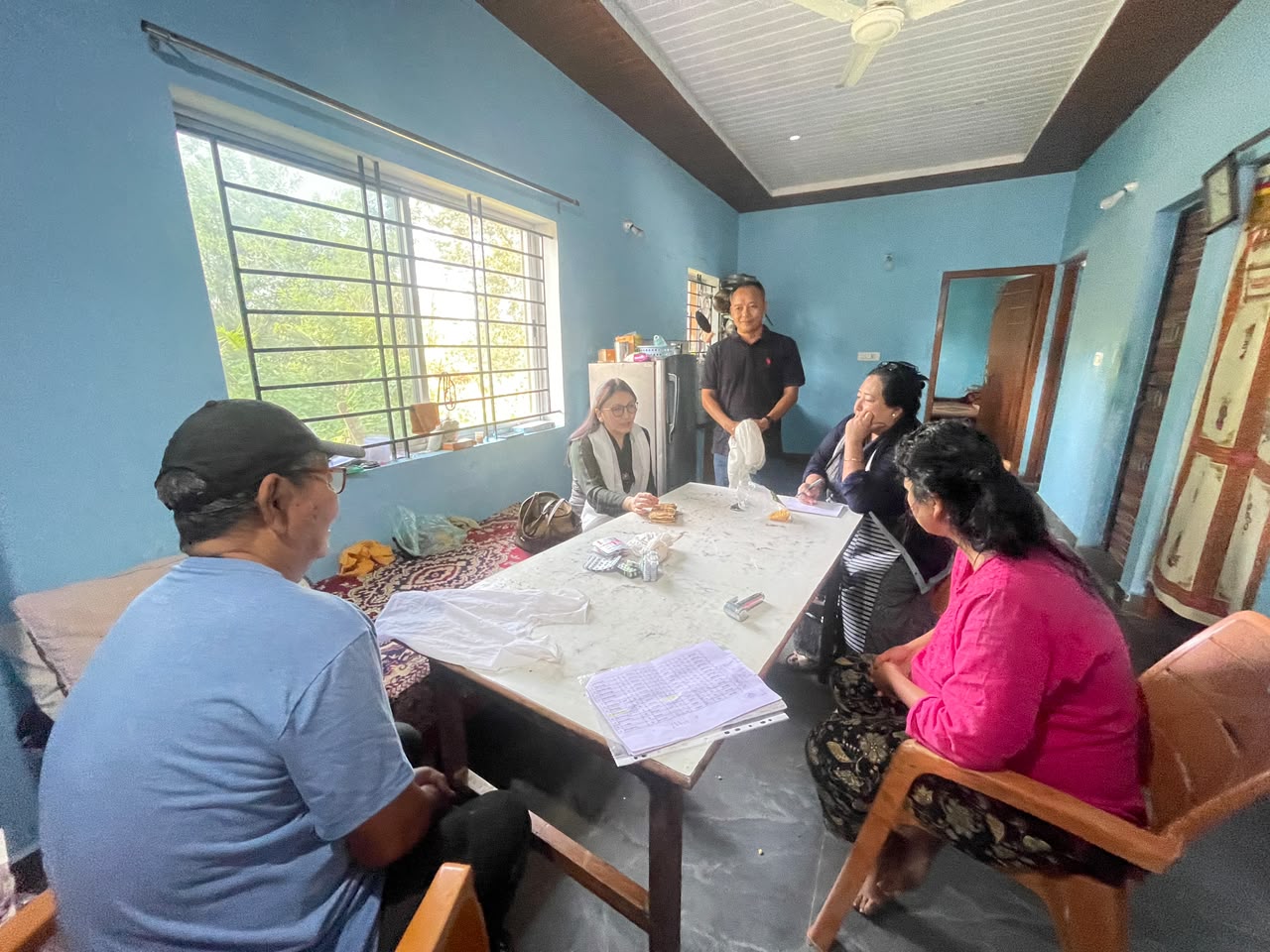
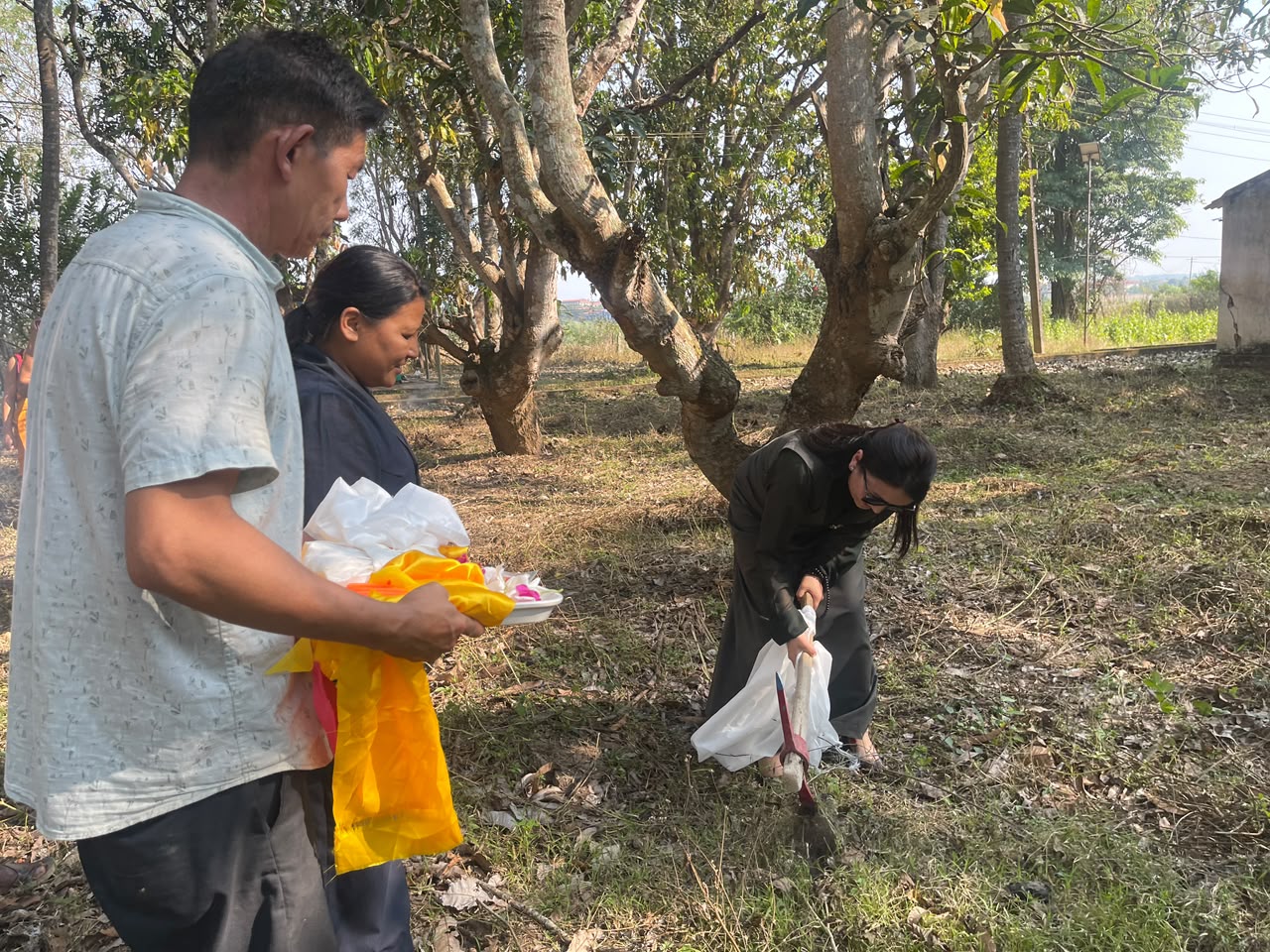
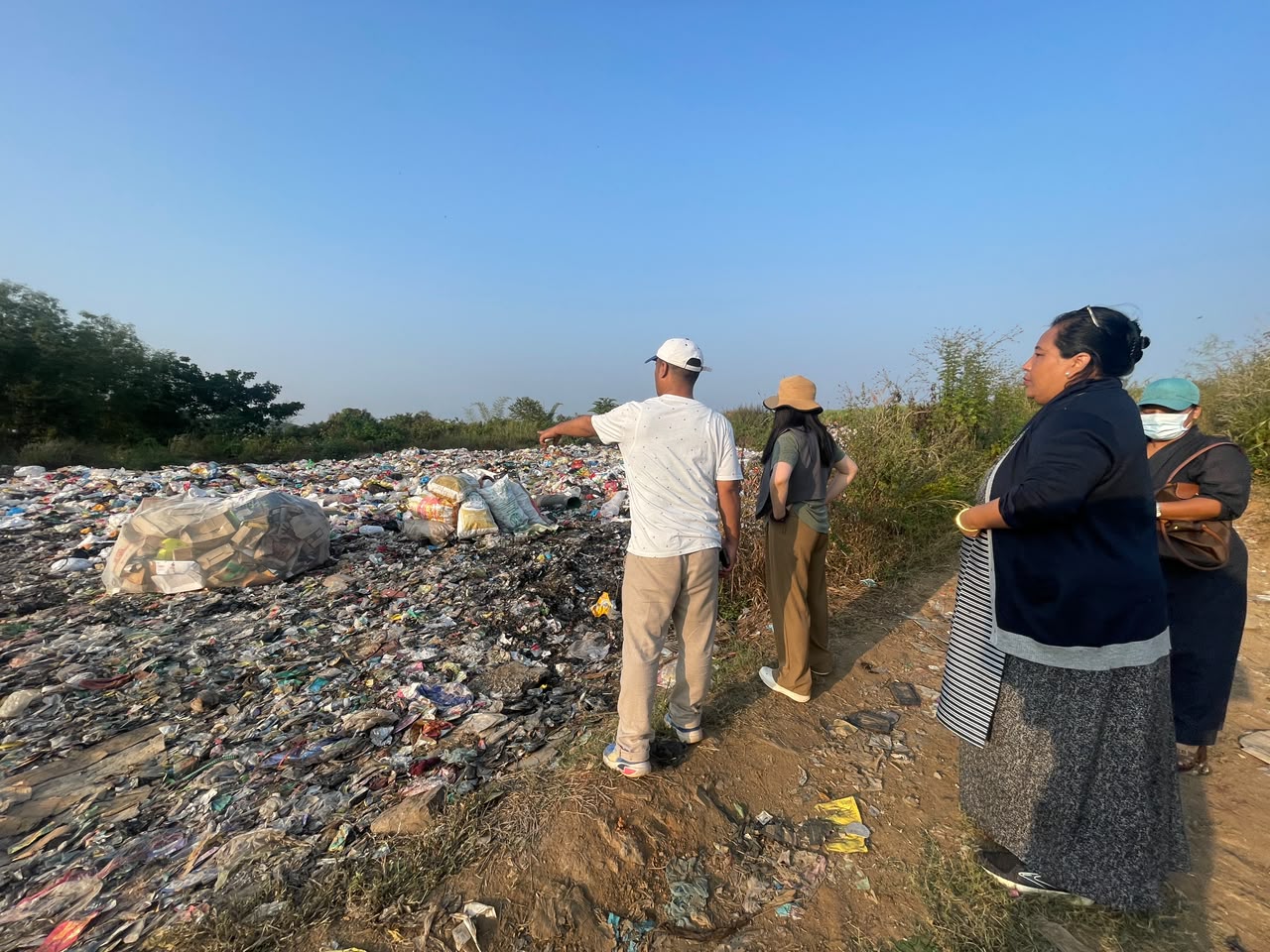
On the fifth day, 31 October, Kalon met with beneficiaries of the Department of Health’s Destitute Relief Scheme to inquire about their well-being, current health conditions, and access to necessary medications, while encouraging them to prioritise their ongoing health care. Following this, Kalon presided over the foundation stone-laying ceremony for the new hospital, officially marking the commencement of construction work. The day concluded with an inspection of the Mundgod waste dumping site. This visit was conducted in response to complaints raised by camp residents, allowing the Kalon to assess ground realities firsthand and evaluate their concerns regarding local waste management. In the evening, Health Kalon departed for Kollegal Tibetan settlement.